
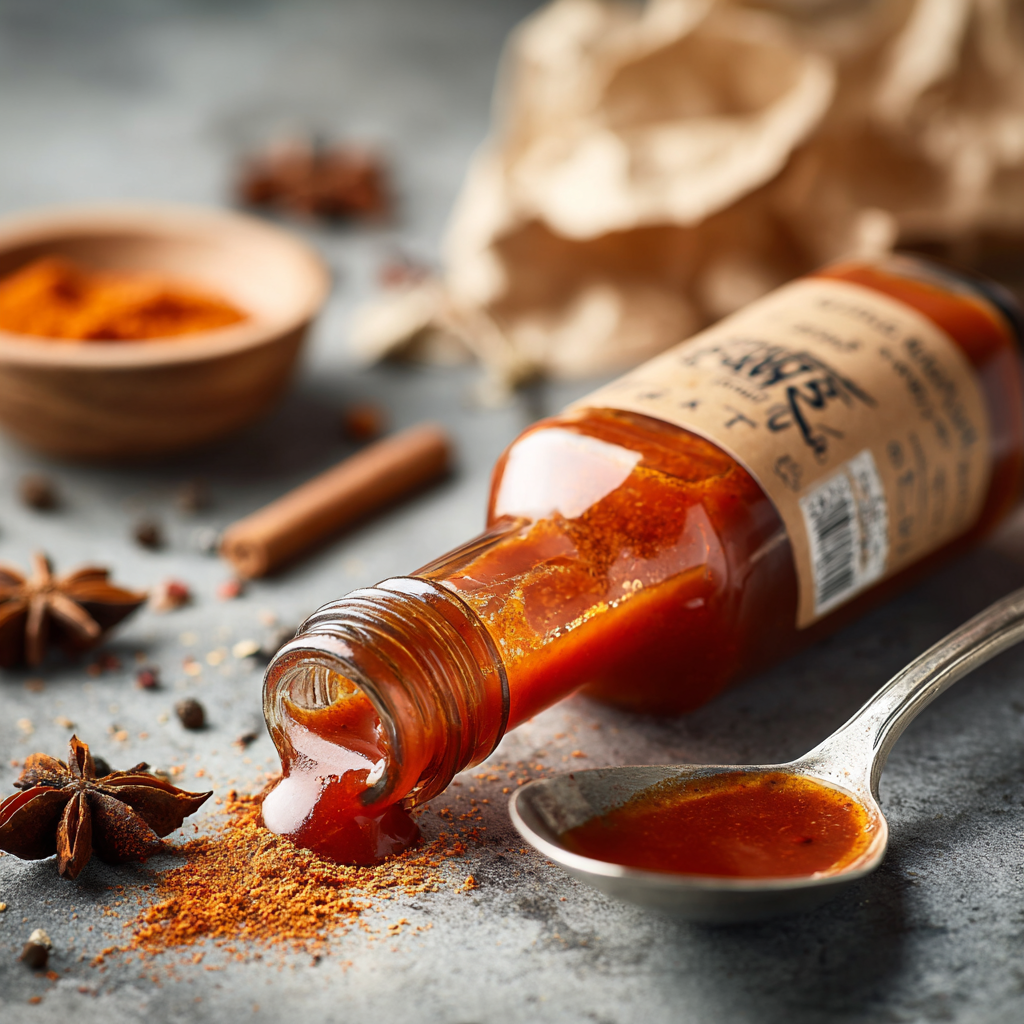
Why Hot Sauce Changes Flavor
Learn the science of why hot sauce changes flavor over time. From the mellowing of vinegar to the effects of oxidation and light exposure, discover how to store your sauce to keep it tasting zesty and fresh.
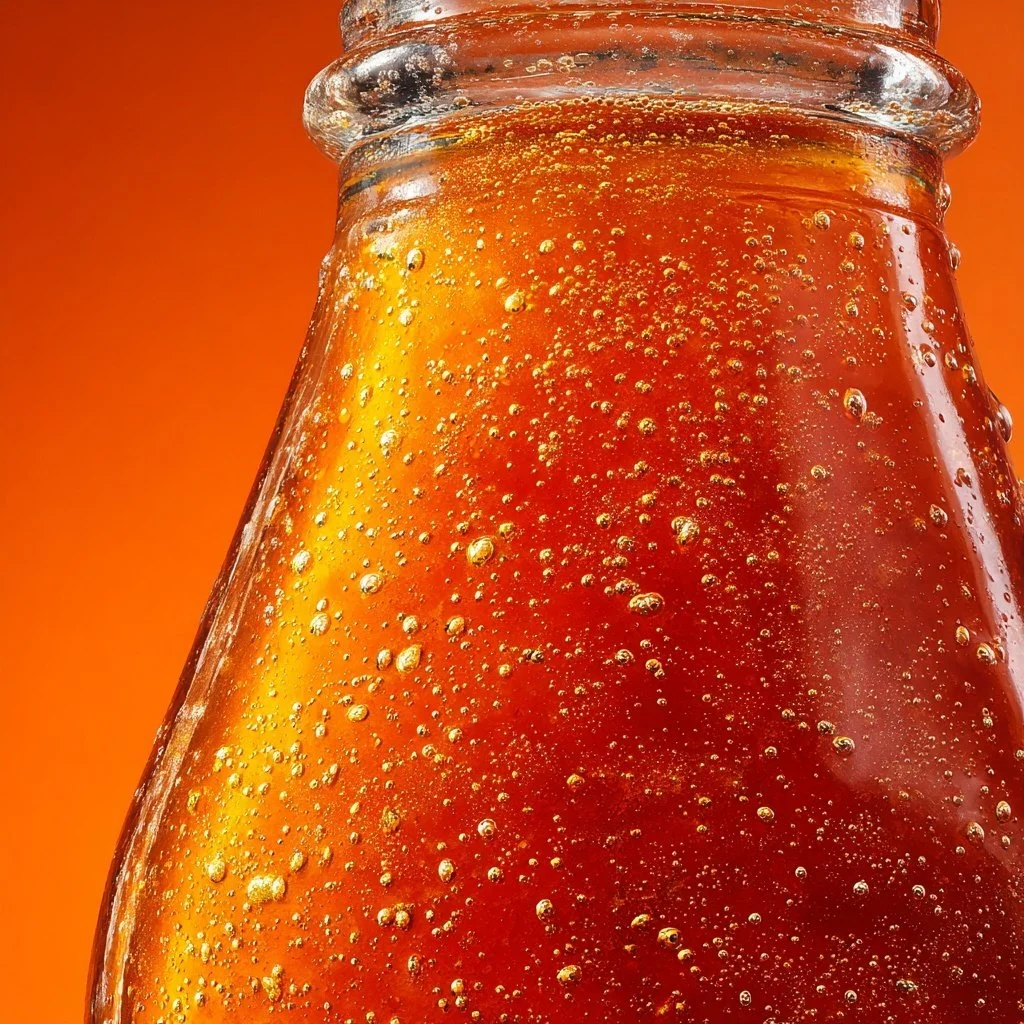
Fizzy Hot Sauce After Bottling: Causes and Safety
A fizzy sauce is a living sauce. Learn what causes unintended carbonation after bottling, how to stabilize your ferments, and the safety steps required to prevent your spicy creations from turning into "bottle bombs."
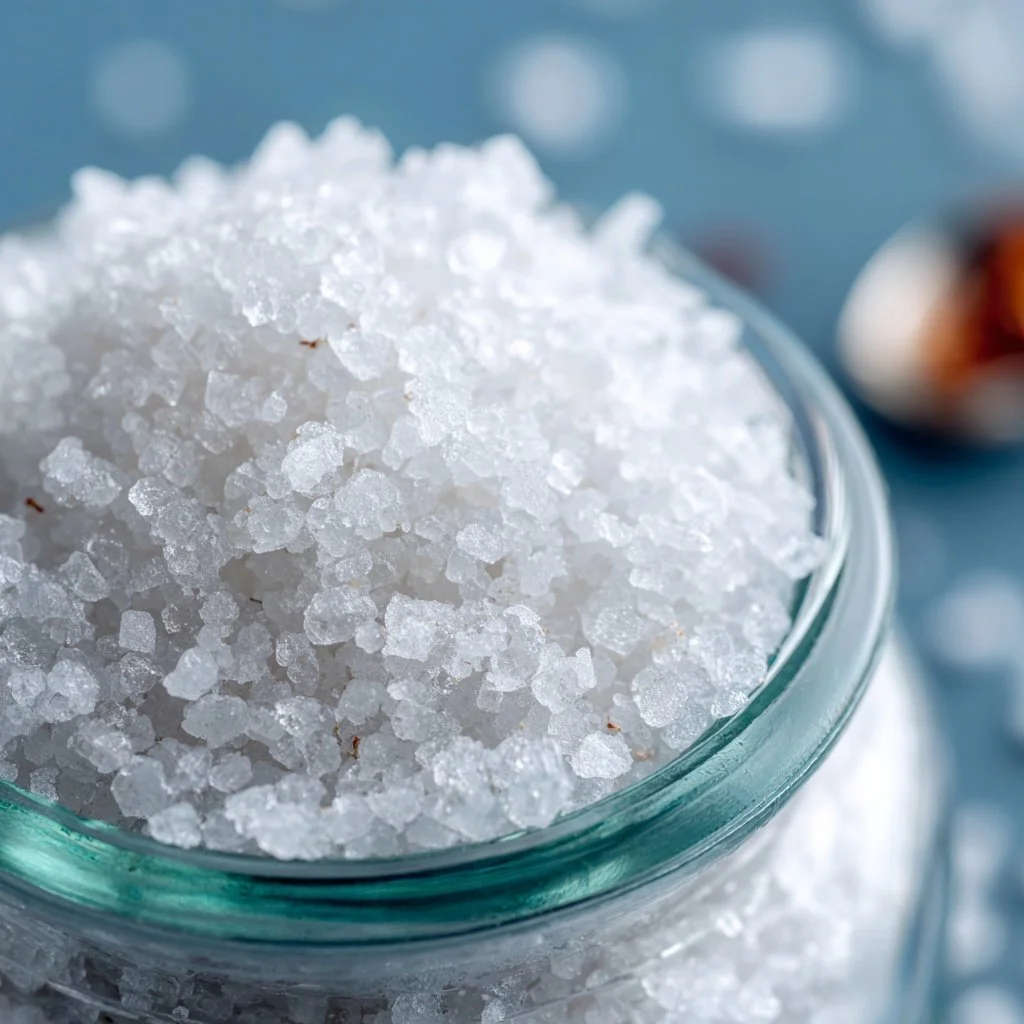
Too Much Salt in Fermentation: How to Tell and What to Do
Salt is the lifeblood of fermentation, but too much can kill your batch. Learn how to identify a salt-locked ferment, why weight measurements matter, and professional techniques for diluting and rescuing an over-salted hot sauce mash.
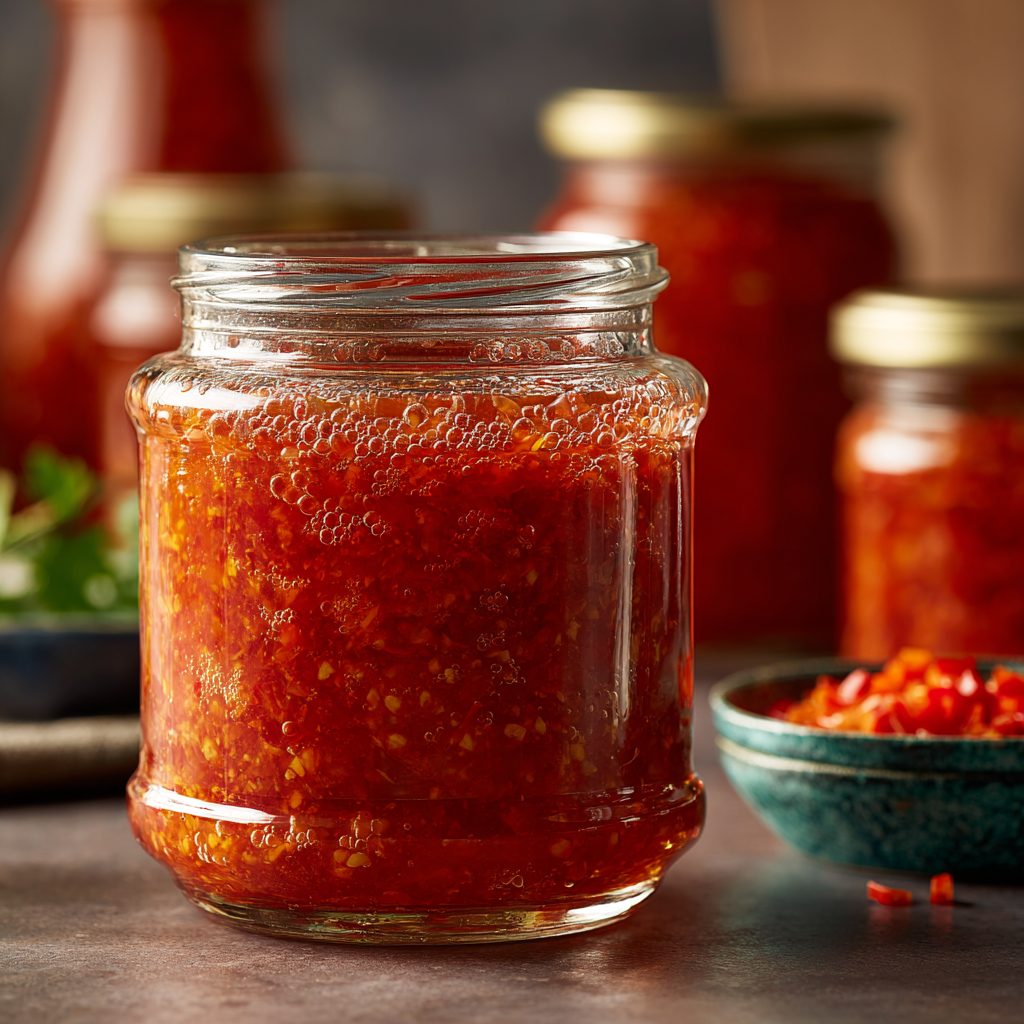
Over Fermented Hot Sauce: How to Fix Flavor and Acidity
Don't toss that puckeringly sour batch just yet. Learn how to identify and rescue over-fermented hot sauce by balancing acidity, reintroducing fresh flavors, and using blending techniques to turn a flavor "fail" into a complex success.
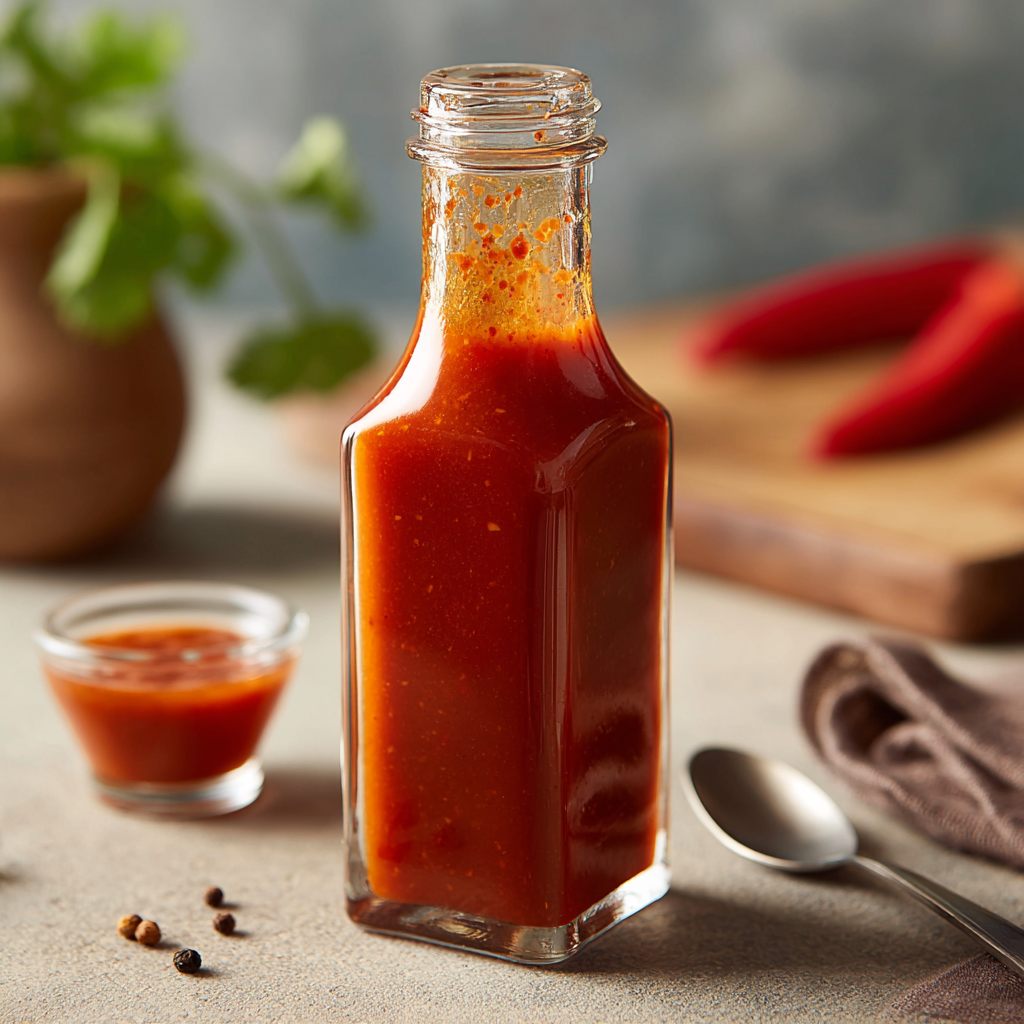
Can Hot Sauce Go Bad Without Mold? Signs to Watch For
Visible mold isn't the only sign of a ruined batch. Learn how to identify oxidation, secondary fermentation, and chemical degradation in your hot sauce to ensure every drop you consume is both safe and flavorful.
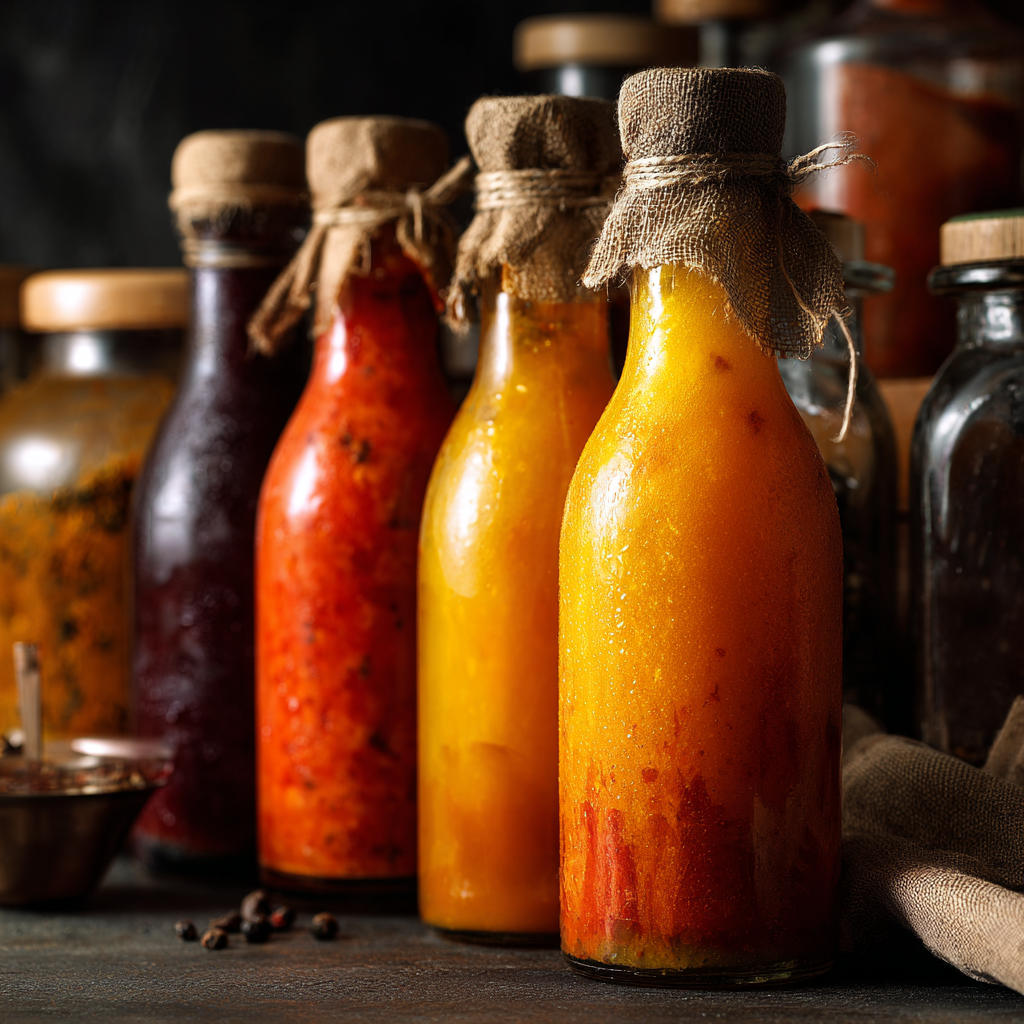
How Long Homemade Hot Sauce Lasts: Fridge vs Pantry Guide
How long is that bottle in your fridge actually good for? This guide breaks down the science of hot sauce longevity, from pH levels to proper storage tips.
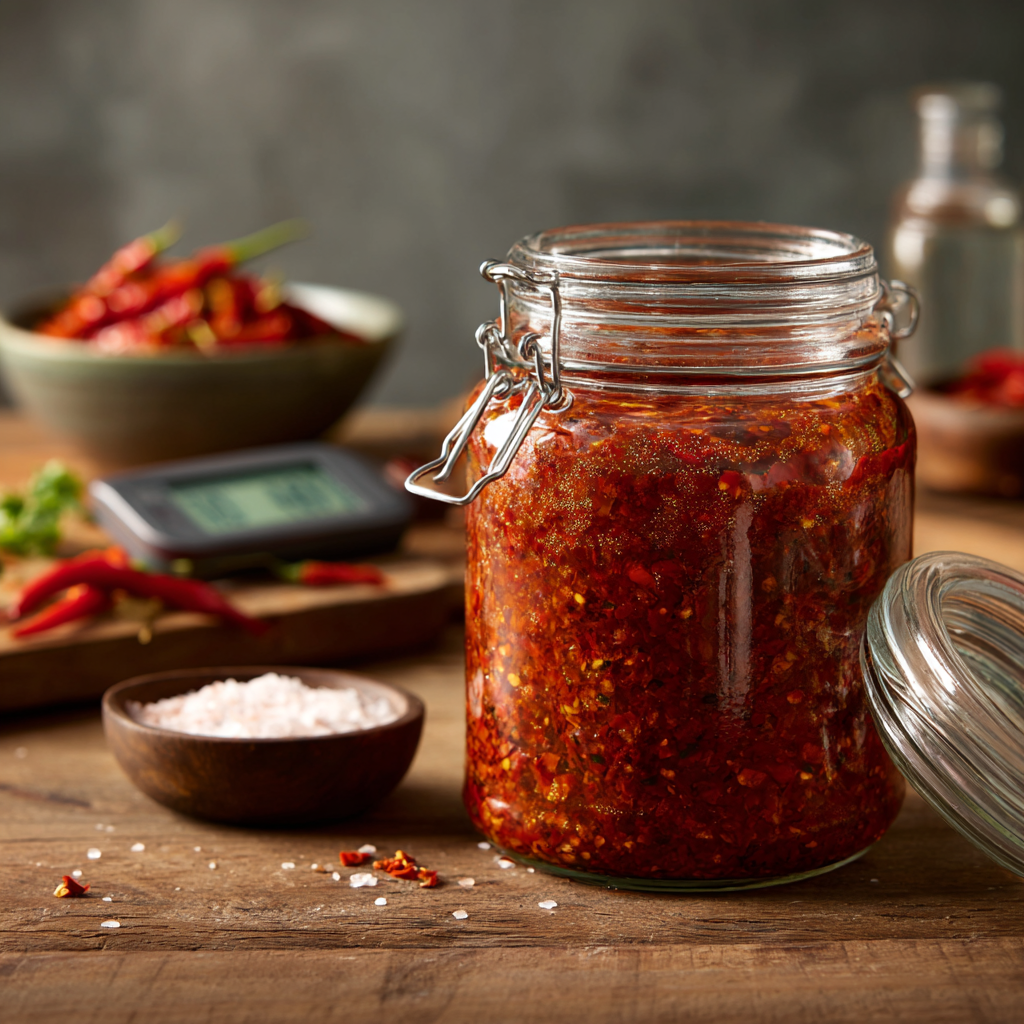
Fermentation Mash Not Bubbling: Causes and Quick Fixes
A quiet fermentation mash can be alarming, but it doesn't always mean failure. Learn how to diagnose temperature issues, salt ratios, and pH levels to get your bubbles back. Tags: fermentation, hot sauce mash, troubleshooting, lactobacillus, Scoville, pH levels, food safety, home fermenting, salt brine, airlock