
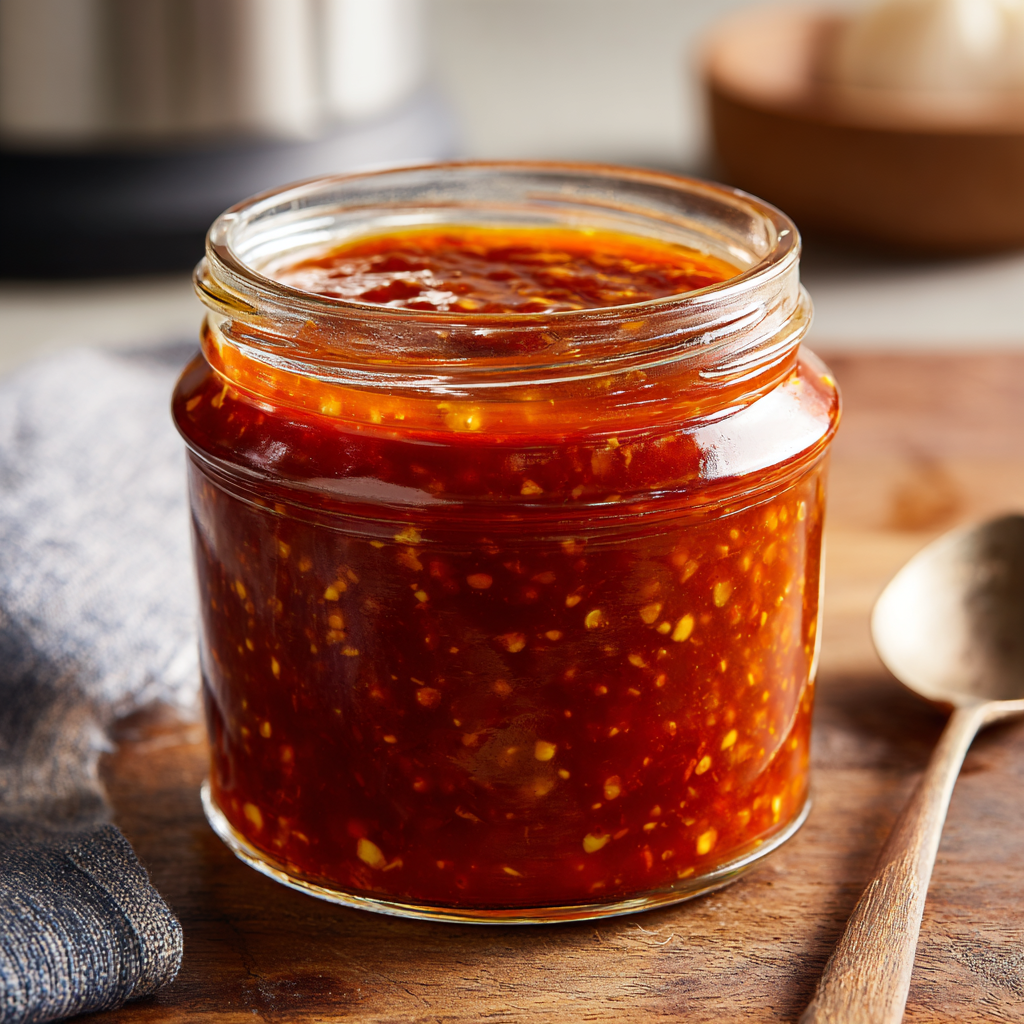
Smooth vs Chunky Hot Sauce
Should your next batch be silky or rustic? Discover the pros and cons of smooth vs chunky hot sauce, how texture changes heat perception, and the essential tools you need to achieve the perfect professional pour.
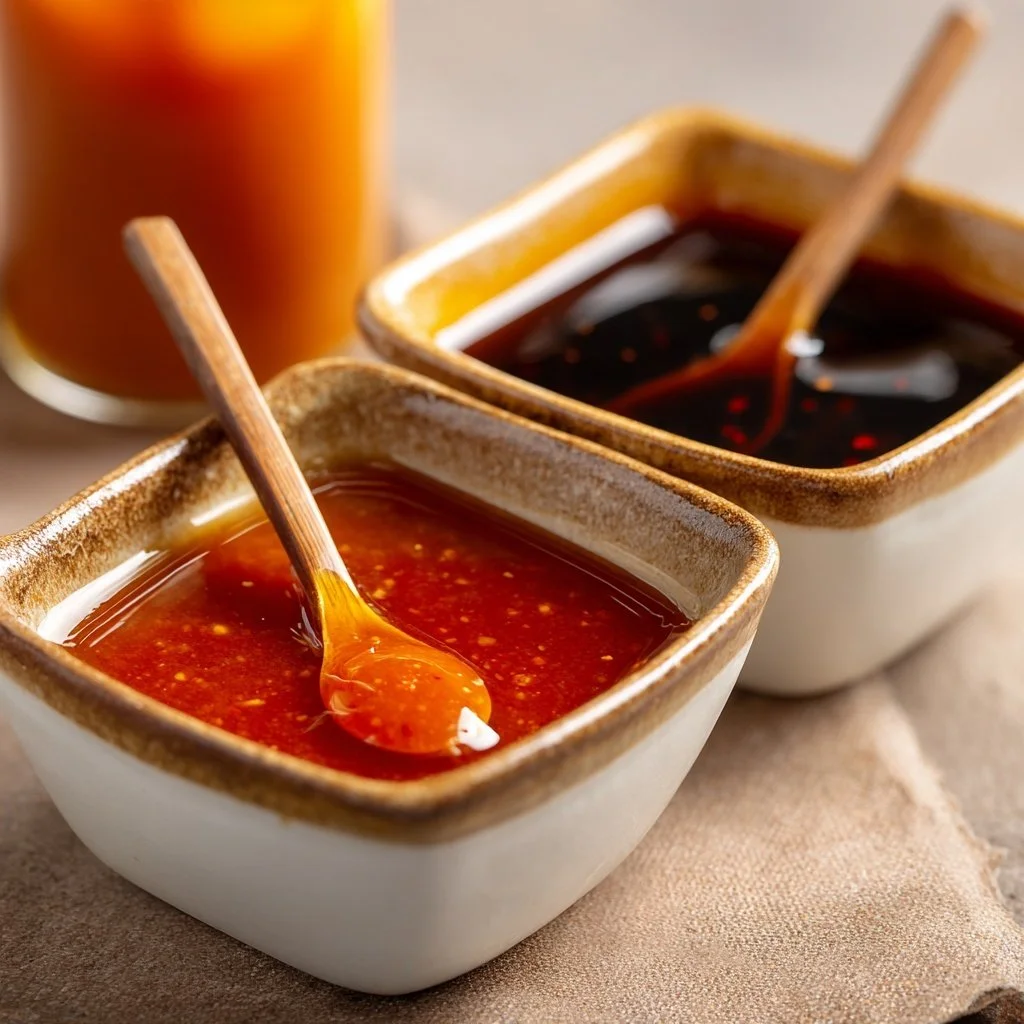
How pH Affects Hot Sauce Flavor: Brightness, Bite, and Balance
Discover the culinary science behind acidity and flavor. Learn how pH levels transform your hot sauce from dull to brilliant, affecting everything from heat perception to saltiness, and how to find the perfect balance for your palate.
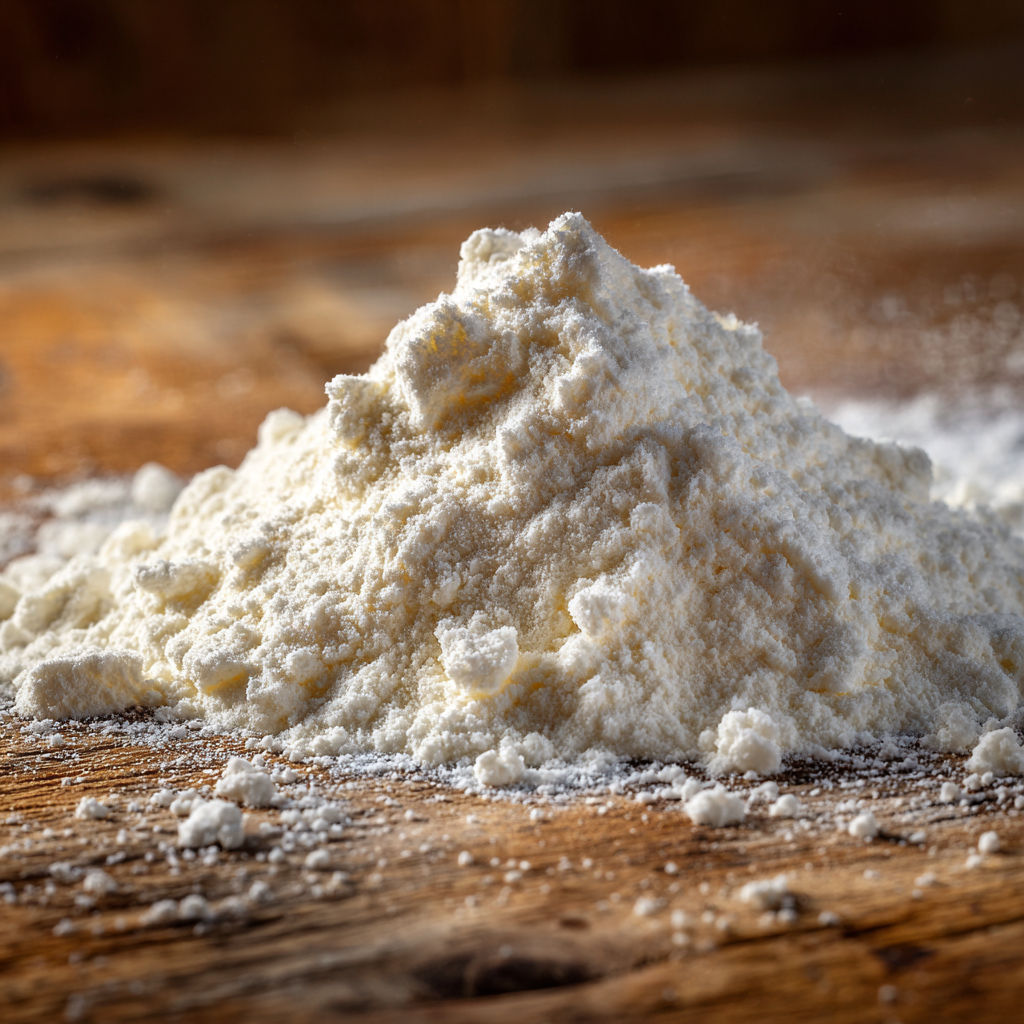
Xanthan Gum for Hot Sauce: How Much to Use and Common Mistakes
Xanthan gum is the secret to a professional hot sauce texture. Discover the precise measurements and blending techniques needed to prevent separation and achieve the perfect pour every time.
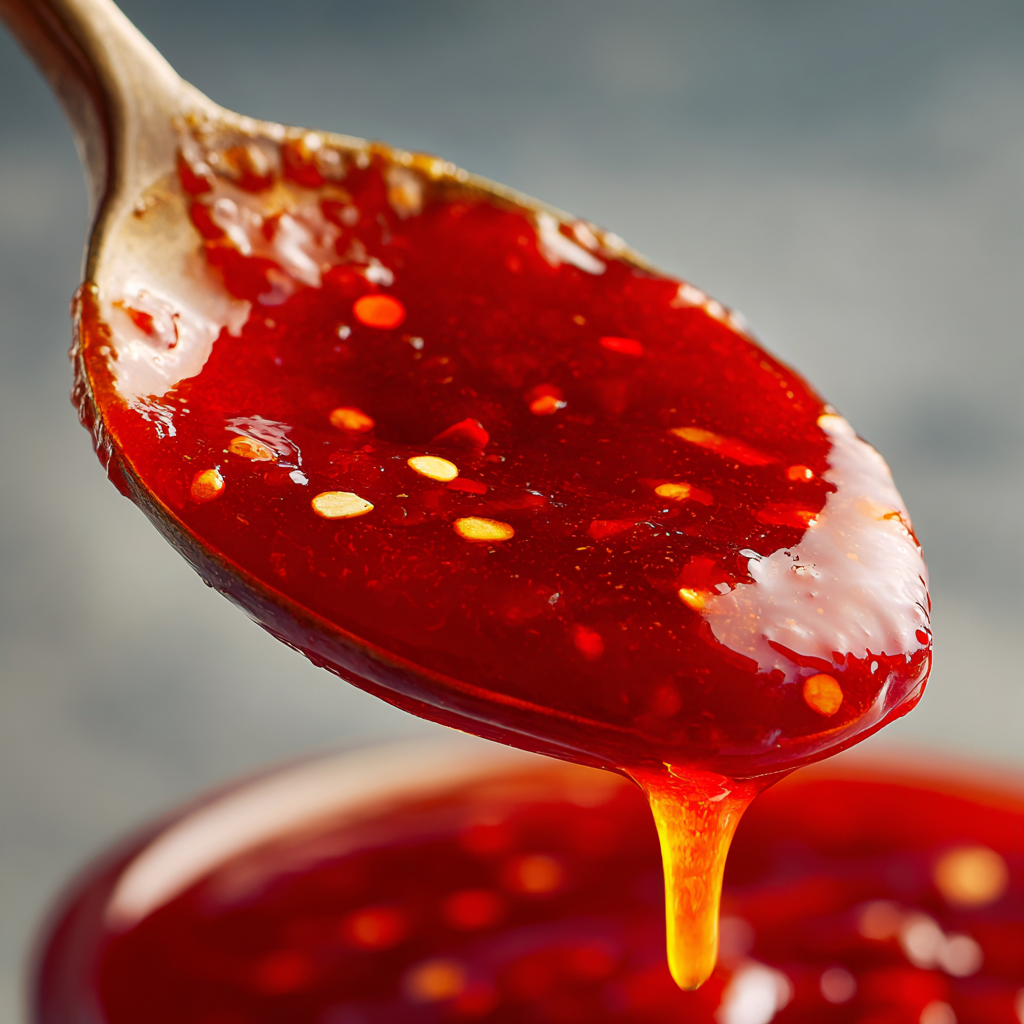
Thicken Hot Sauce Naturally Without Cooking: Easy Methods
Want a thicker hot sauce without boiling away the fresh flavor? Explore natural thickening methods using vegetable solids, fruit pectins, and cold-stable binders for a professional texture.
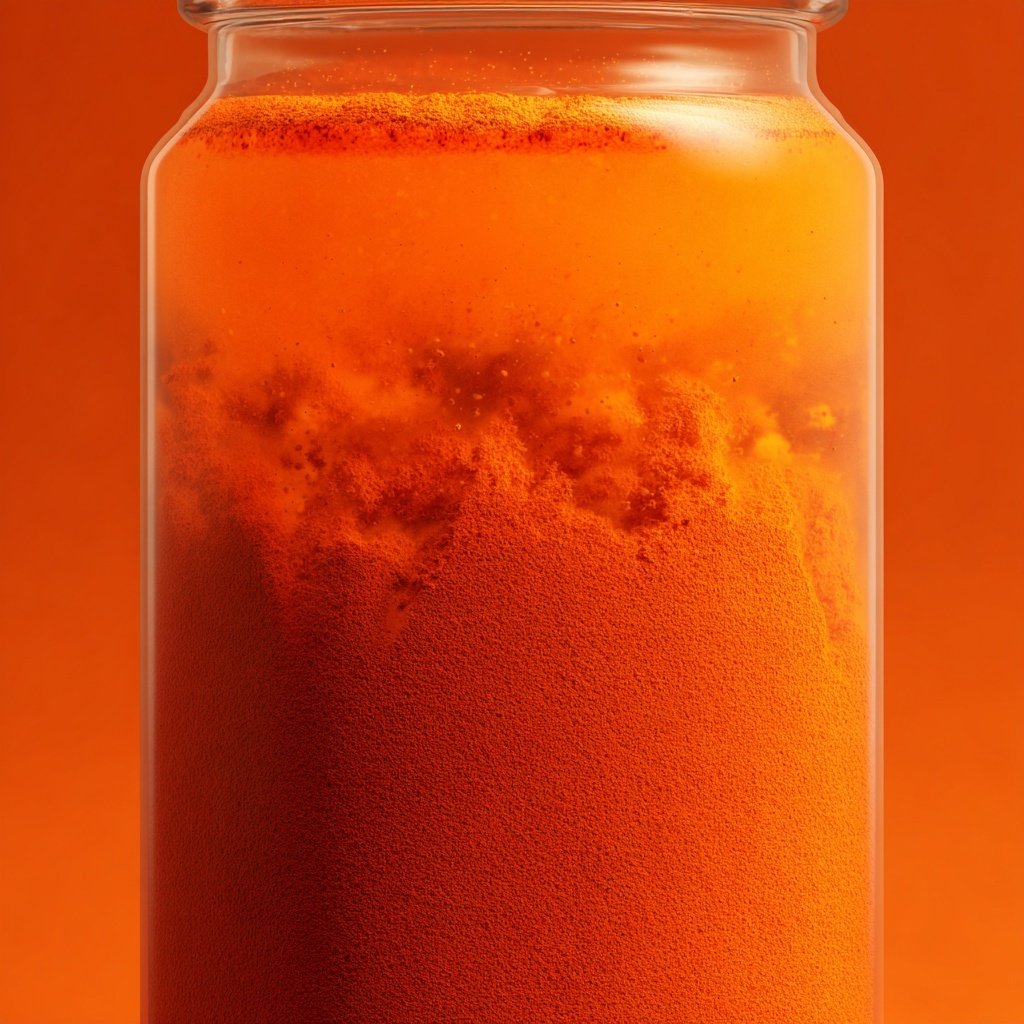
Why Hot Sauce Separates: Causes and How to Fix It
Does your hot sauce have a layer of water at the bottom or oil at the top? Discover the physics of suspension and how to fix separation for a smooth, professional finish.
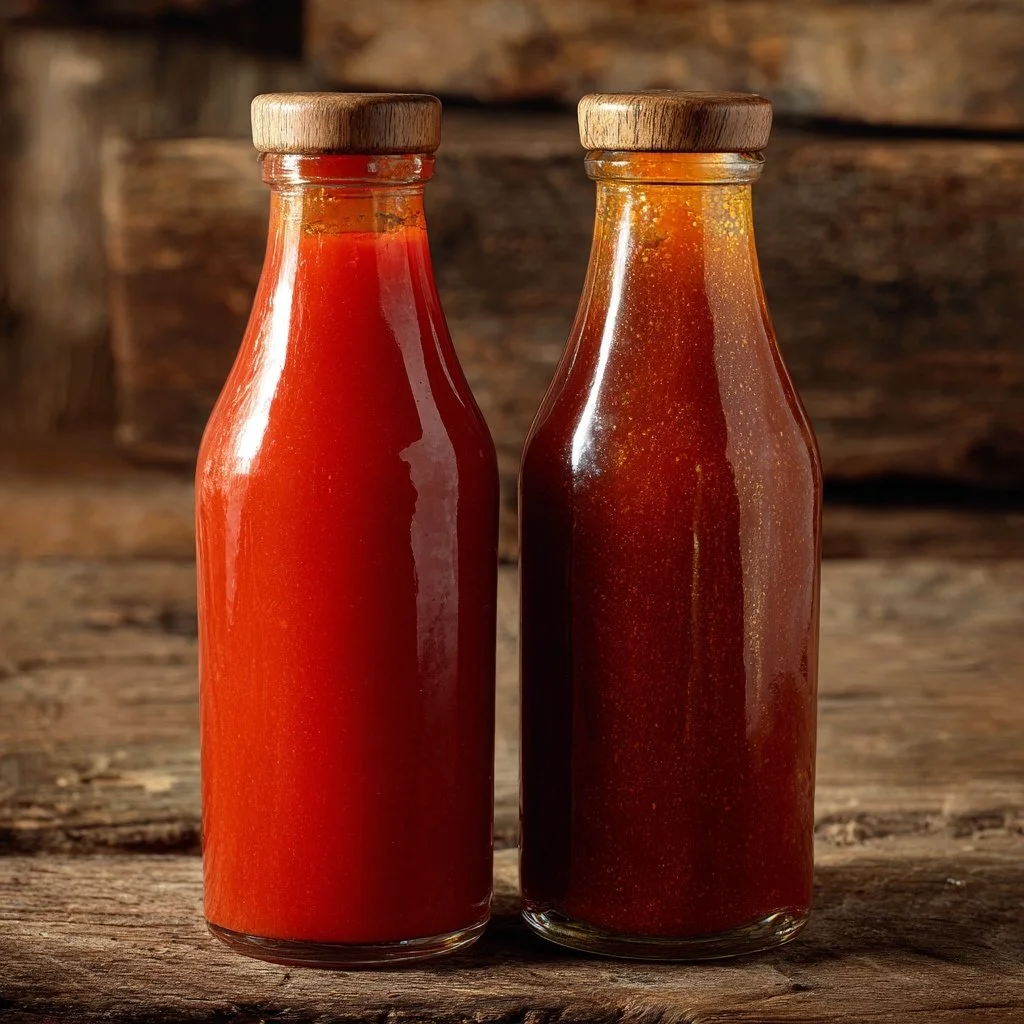
How to Keep Hot Sauce Bright Red or Green: Color Saving Tips
Visual appeal is the first bite. Learn the science of color preservation in hot sauce, from chlorophyll stabilization in green sauces to preventing oxidation in red mashes.
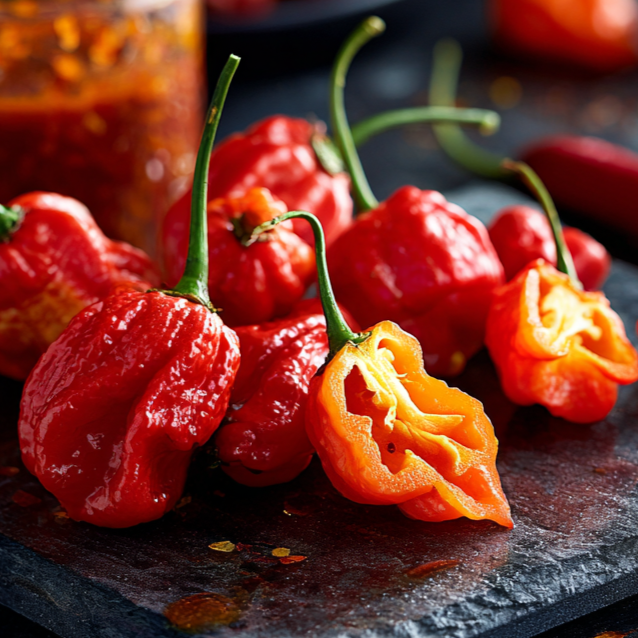
Trinidad Scorpion Pepper: Flavor Profile and Heat Reality
Dive into the intense world of the Trinidad Scorpion pepper. We explore the "sting" of its 2,000,000 Scoville units, its surprisingly fruity flavor, and professional techniques for safely handling the world's hottest chilies.
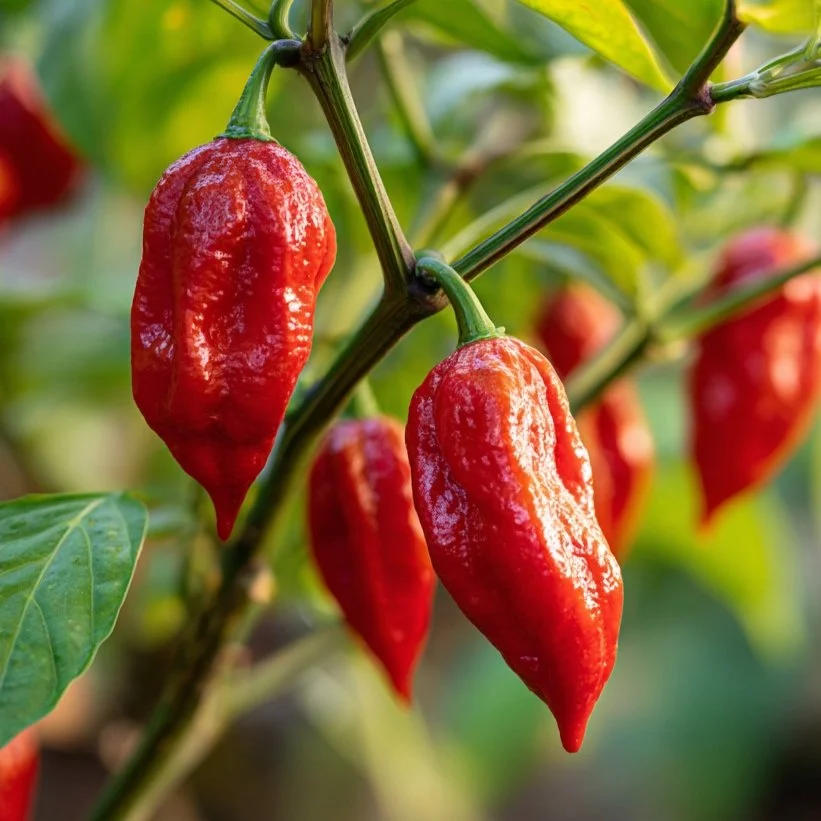
Ghost Pepper Guide: Heat Level, Flavor, and Best Uses
Explore the legendary Ghost Pepper. We dive into the science of its 1,000,000+ Scoville heat, its distinct floral flavor, and essential safety tips for making the ultimate superhot hot sauce.
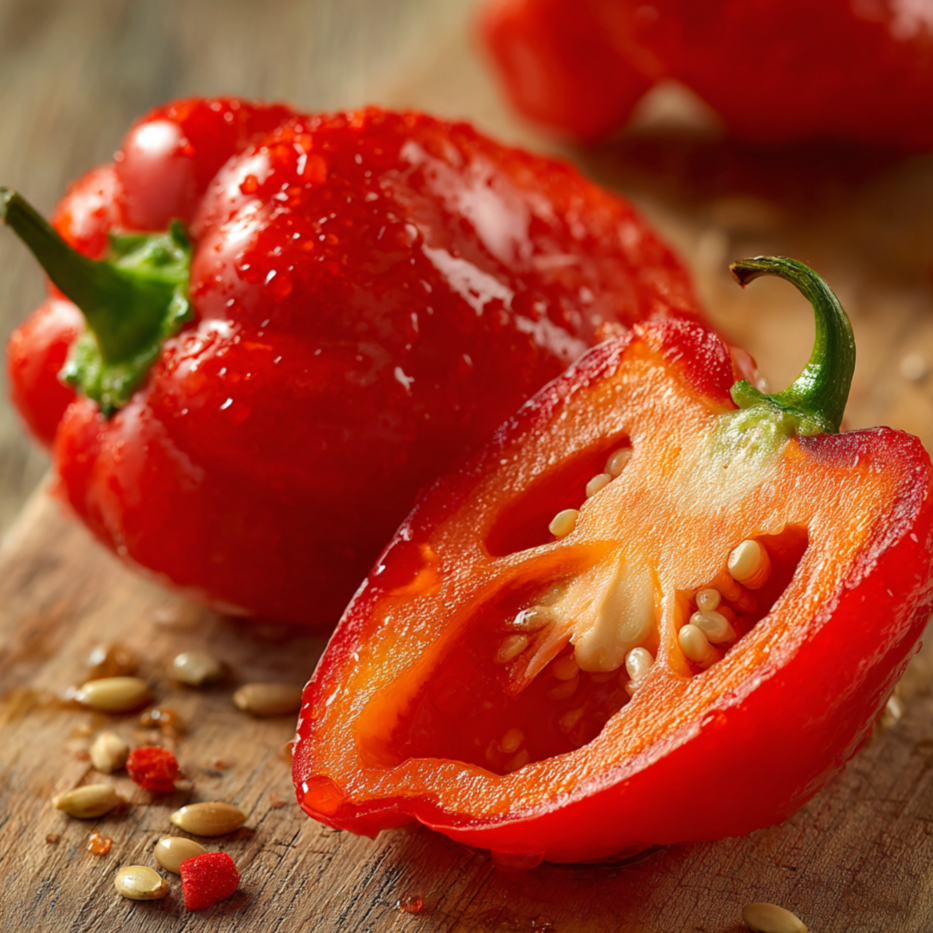
What Makes Hot Sauce Hot? Capsaicin Explained Simply
Ever wondered why hot sauce burns? Explore the biology of capsaicin, the "heat engine" of chili peppers, and learn professional tips for controlling heat levels in your homemade hot sauce batches for a perfect balance.
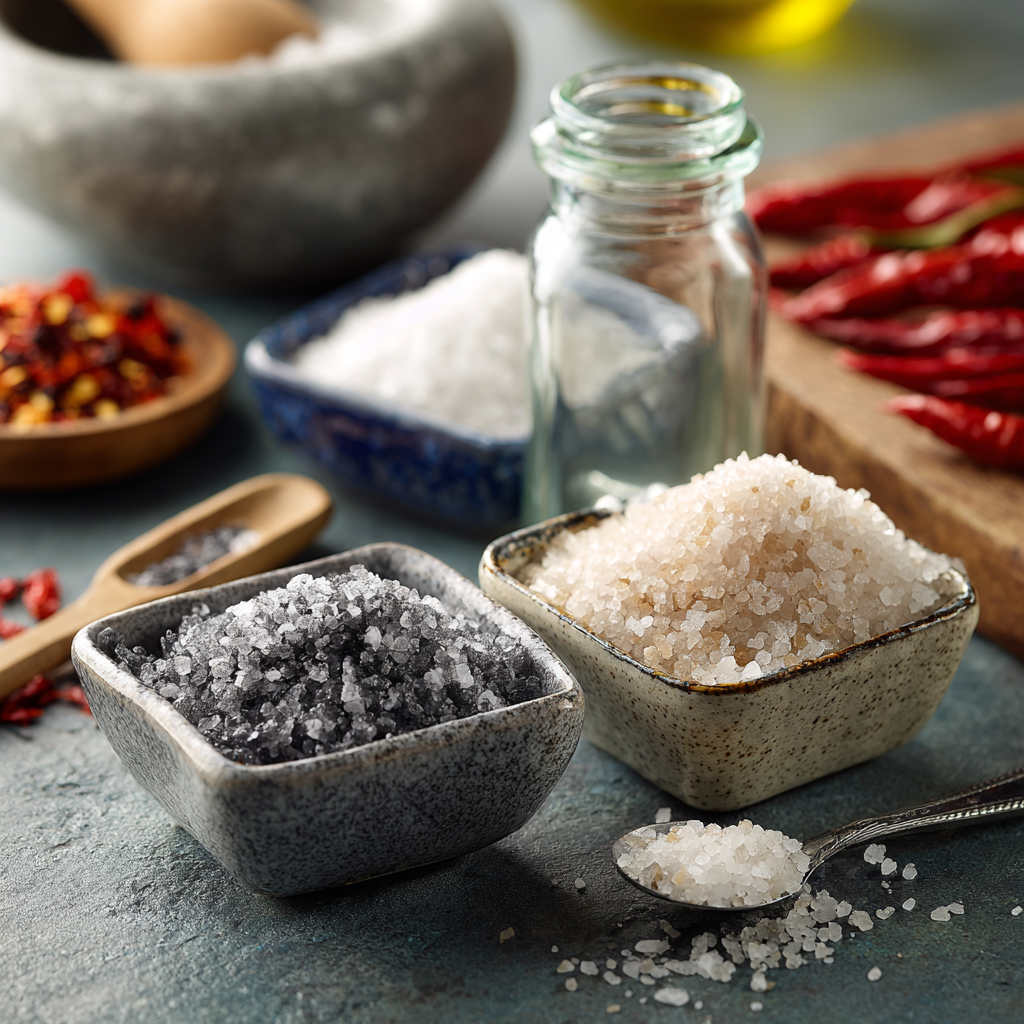
Best Non Iodized Salt for Fermentation: What to Buy and Why
Fermentation produces strong aromas, but how do you tell the difference between healthy funk and dangerous spoilage? This guide breaks down common fermentation scents. Tags: fermentation smells, hot sauce making, food safety, sulfur smell, pepper mash, spoilage, lacto-fermentation, troubleshooting
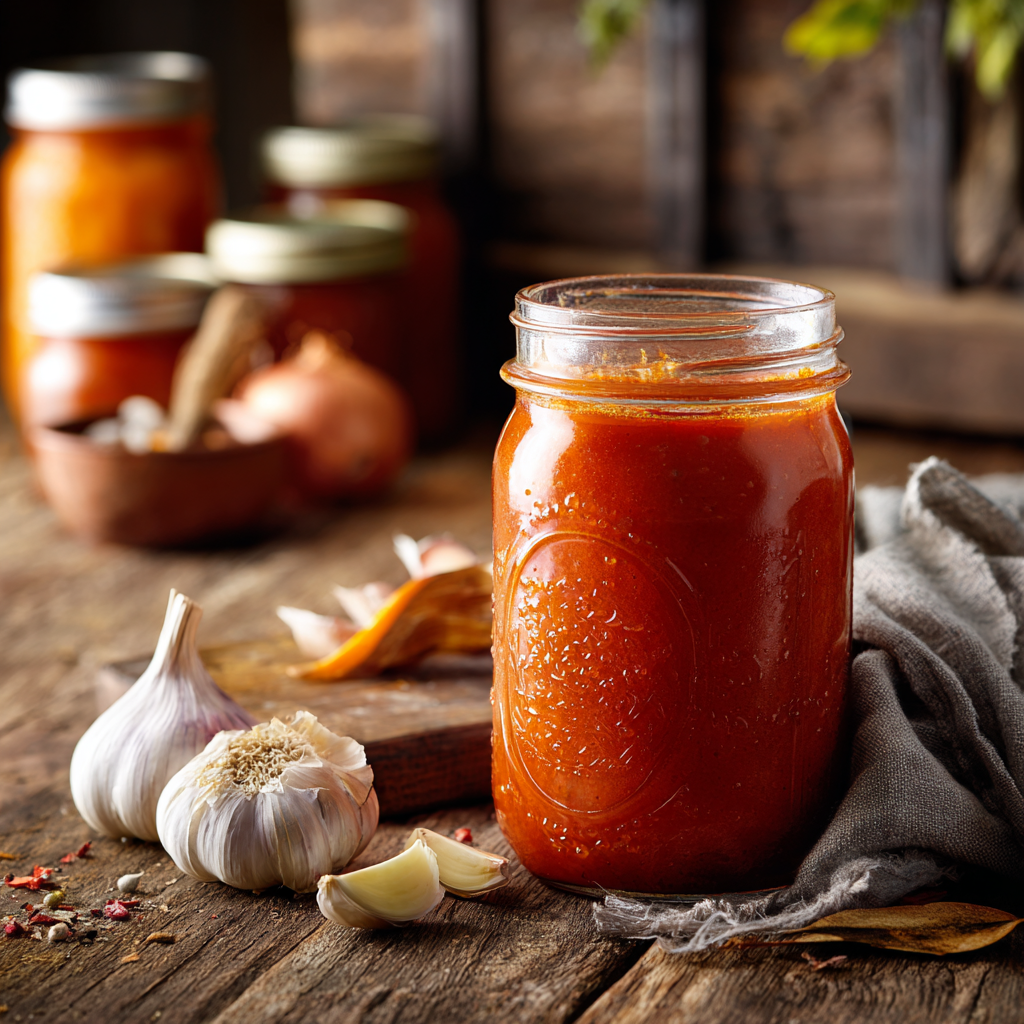
Why Fermented Hot Sauce Smells Bad: Causes and Fixes
Fermentation produces strong aromas, but how do you tell the difference between healthy funk and dangerous spoilage? This guide breaks down common fermentation scents. Tags: fermentation smells, hot sauce making, food safety, sulfur smell, pepper mash, spoilage, lacto-fermentation, troubleshooting
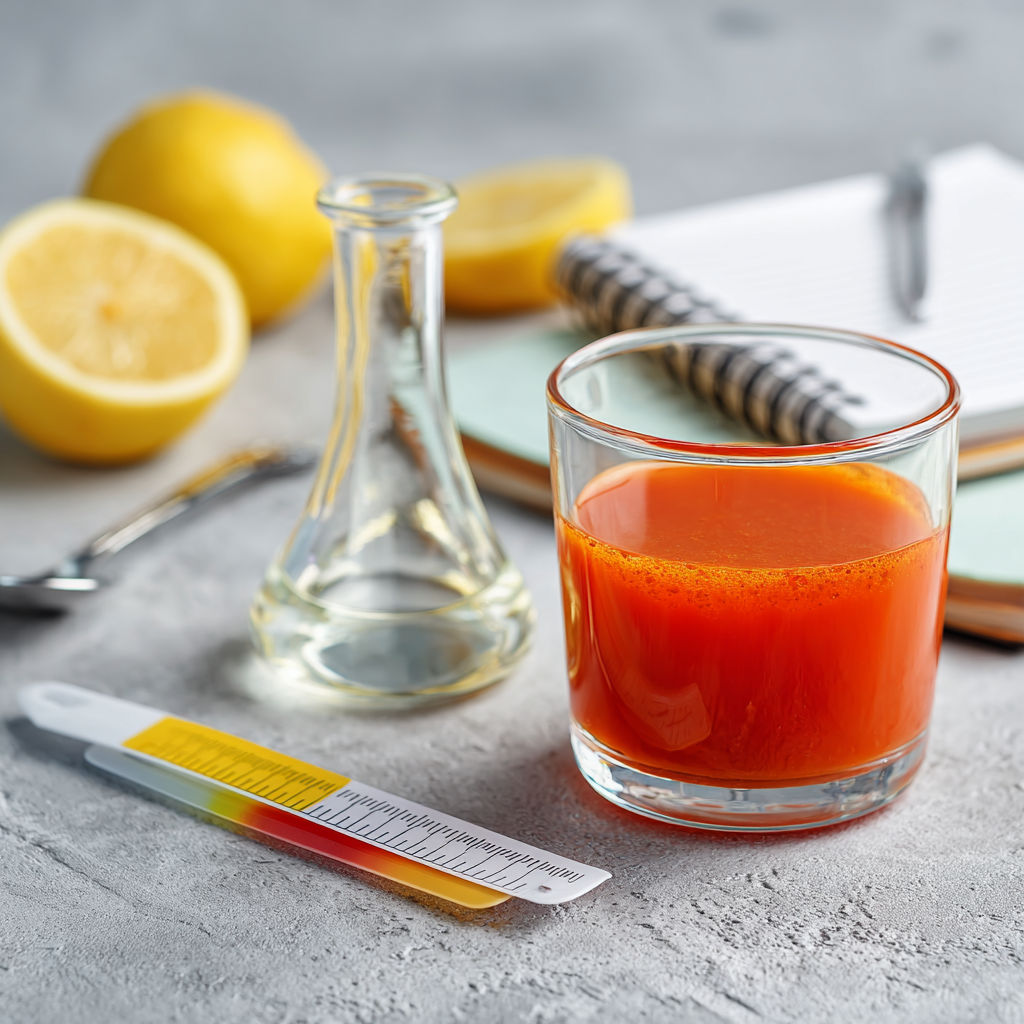
Hot Sauce pH Explained: Safe Targets and How to Measure
Why does pH matter in hot sauce? This guide explains the science of acidity, how to test your sauce at home, and the critical pH levels needed to prevent spoilage and botulism.
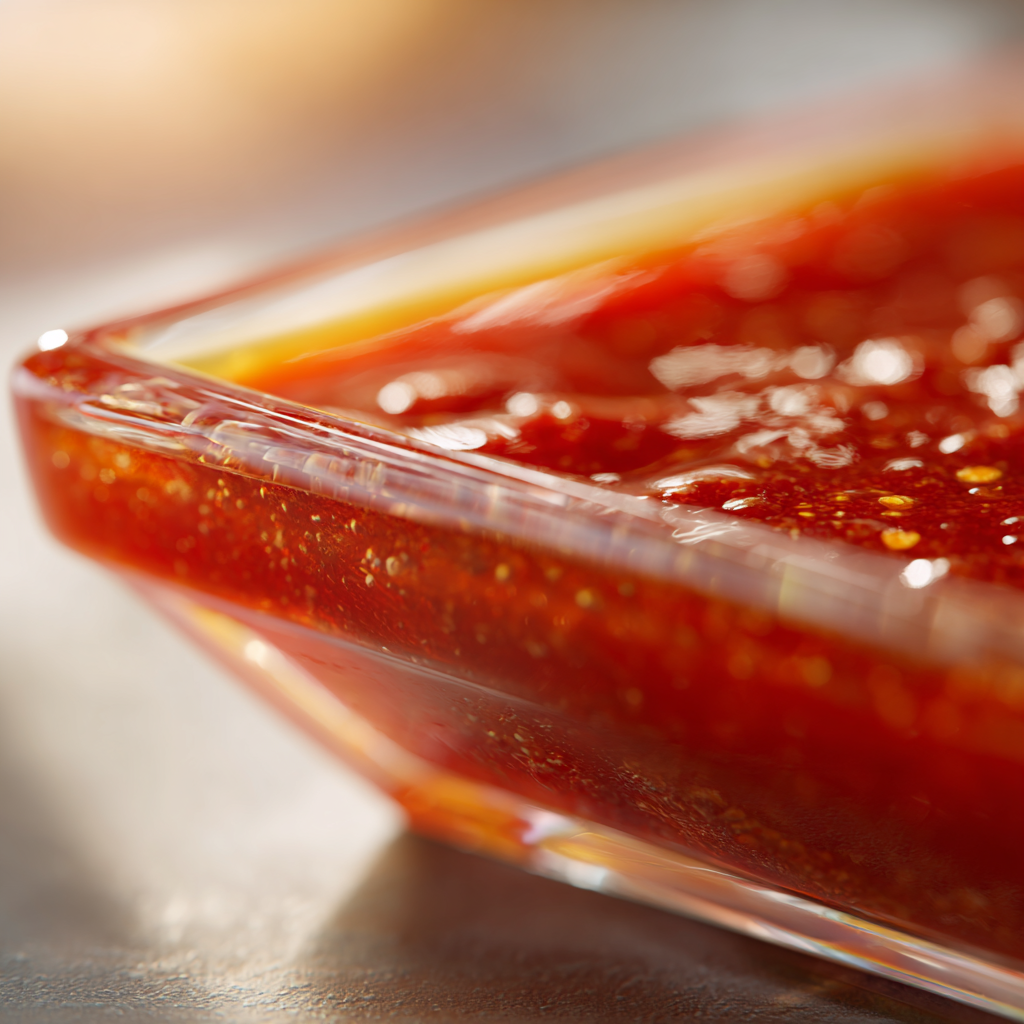
Is My Fermented Hot Sauce Safe? Simple Safety Checks
Safety is the top priority in home fermentation. This guide covers how to tell if your hot sauce is safe, the truth about botulism, and when you should discard a batch.
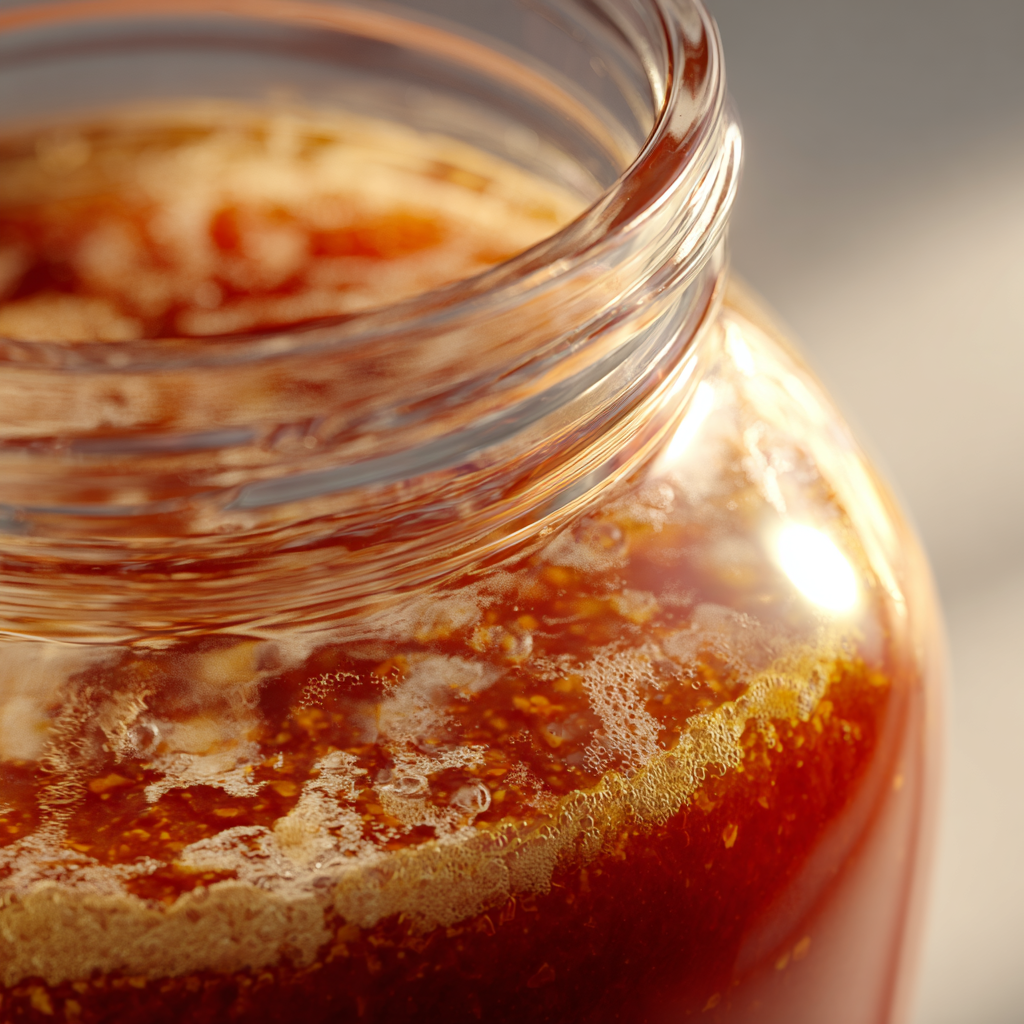
White Mold vs Kahm Yeast: How to Tell and What to Do
Seeing white growth on your pepper mash can be alarming. This guide helps you distinguish between harmless Kahm yeast and toxic mold to keep your hot sauce batches safe.
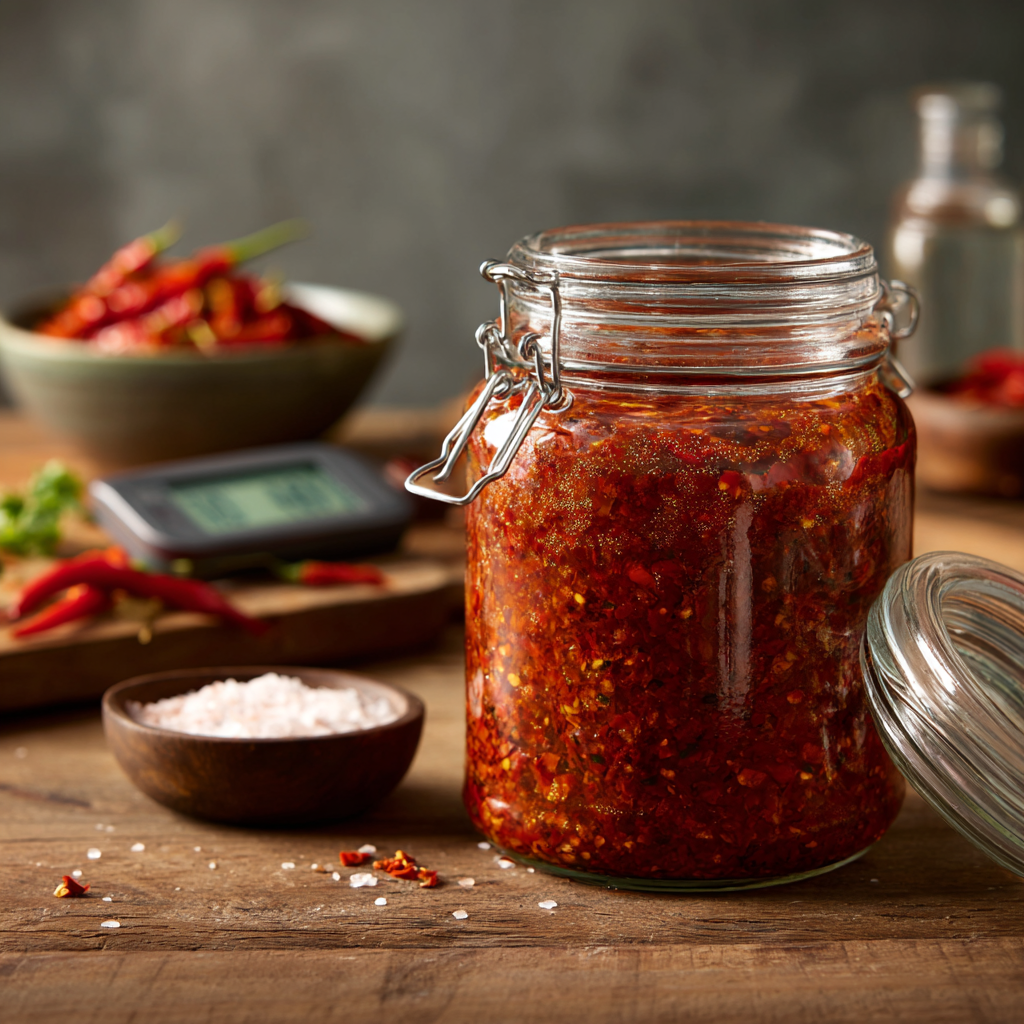
Fermentation Mash Not Bubbling: Causes and Quick Fixes
A quiet fermentation mash can be alarming, but it doesn't always mean failure. Learn how to diagnose temperature issues, salt ratios, and pH levels to get your bubbles back. Tags: fermentation, hot sauce mash, troubleshooting, lactobacillus, Scoville, pH levels, food safety, home fermenting, salt brine, airlock