
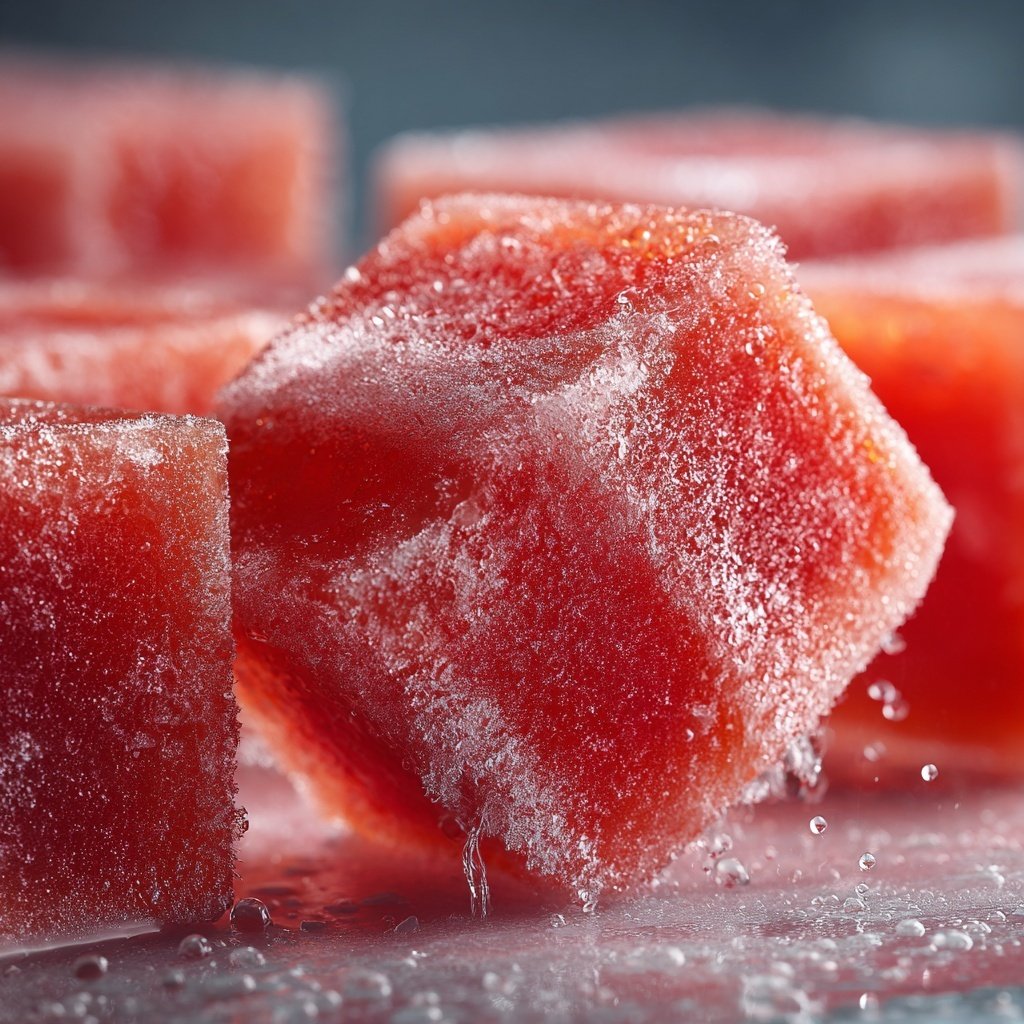
Can You Freeze Hot Sauce?
Discover the pros and cons of freezing your favorite spicy condiments. Learn how to prevent bottle breakage, manage texture separation, and maintain peak flavor when storing hot sauce in the freezer for long-term preservation.
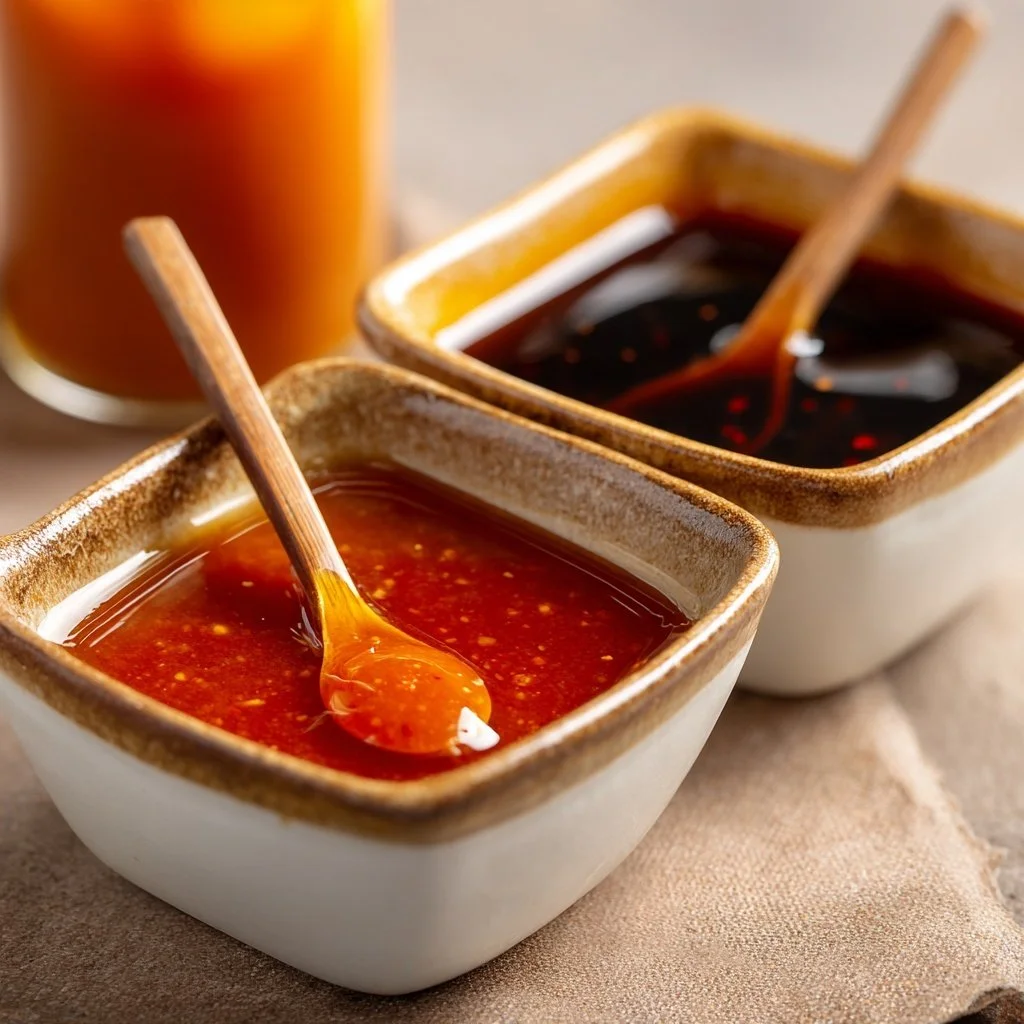
How pH Affects Hot Sauce Flavor: Brightness, Bite, and Balance
Discover the culinary science behind acidity and flavor. Learn how pH levels transform your hot sauce from dull to brilliant, affecting everything from heat perception to saltiness, and how to find the perfect balance for your palate.
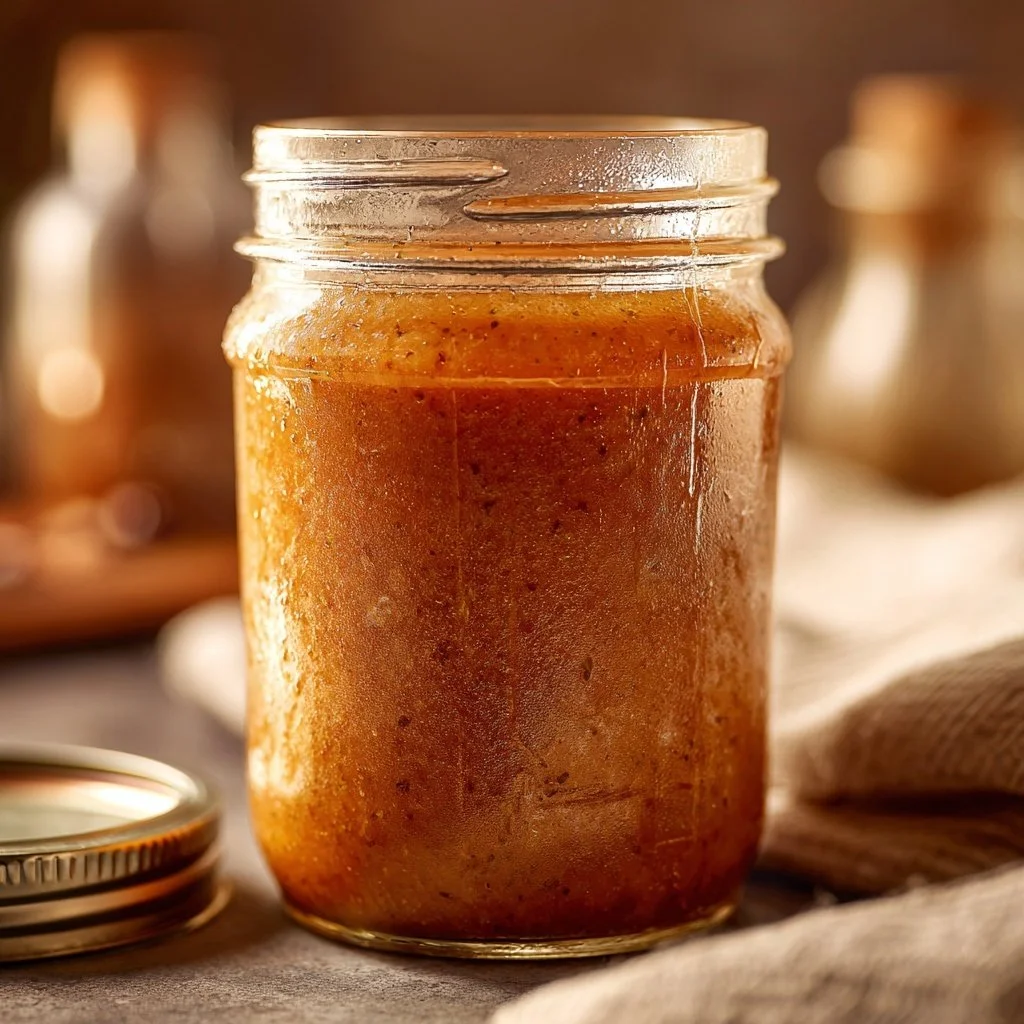
When to Discard a Fermentation Batch: Clear Stop Signs
Stop guessing and start fermenting with confidence. Learn the non-negotiable signs of a failed batch, from toxic mold colors to putrid odors, and understand exactly when it's time to throw it out for your own safety.
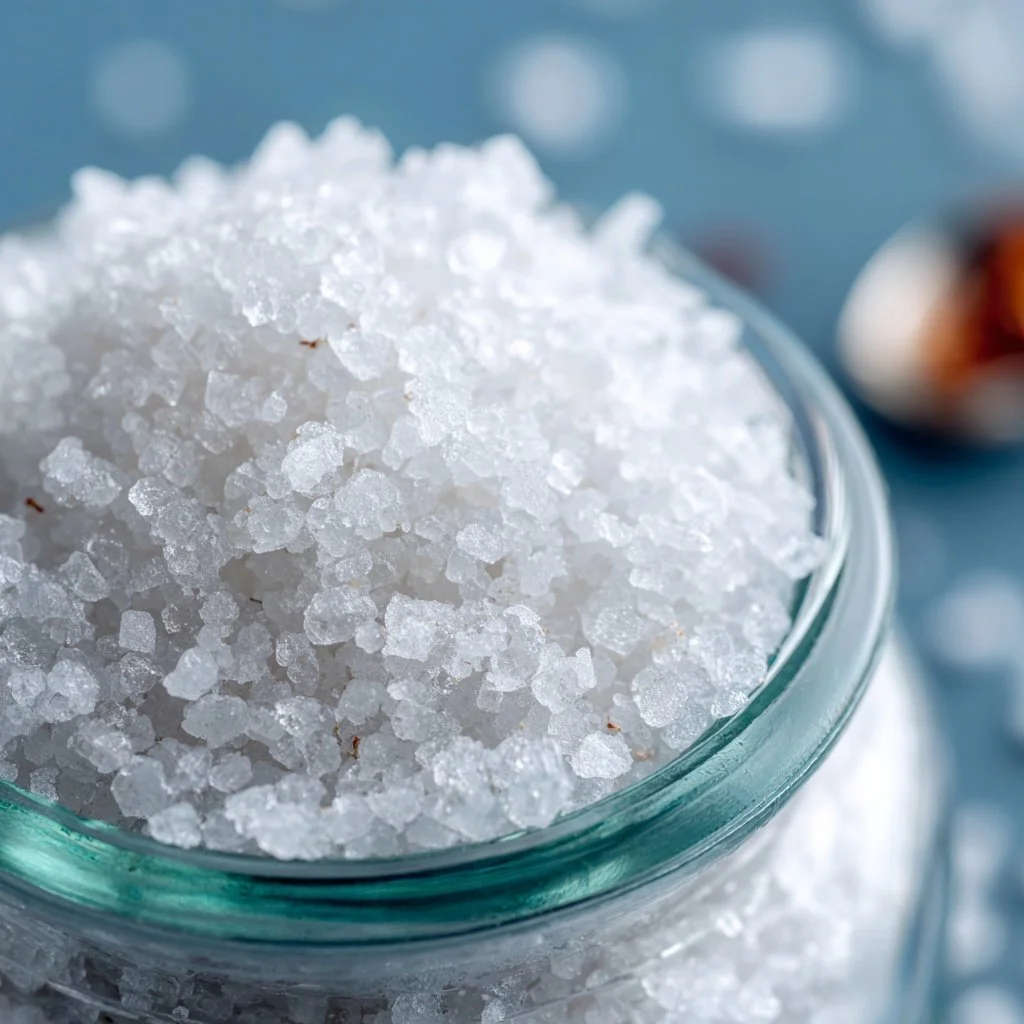
Too Much Salt in Fermentation: How to Tell and What to Do
Salt is the lifeblood of fermentation, but too much can kill your batch. Learn how to identify a salt-locked ferment, why weight measurements matter, and professional techniques for diluting and rescuing an over-salted hot sauce mash.
Can Fermented Hot Sauce Make You Sick? Red Flags to Know
Is your ferment a probiotic powerhouse or a health risk? Learn how to identify the critical red flags of spoilage, from toxic molds to putrid odors, and discover the science that keeps fermented hot sauce safe for consumption.
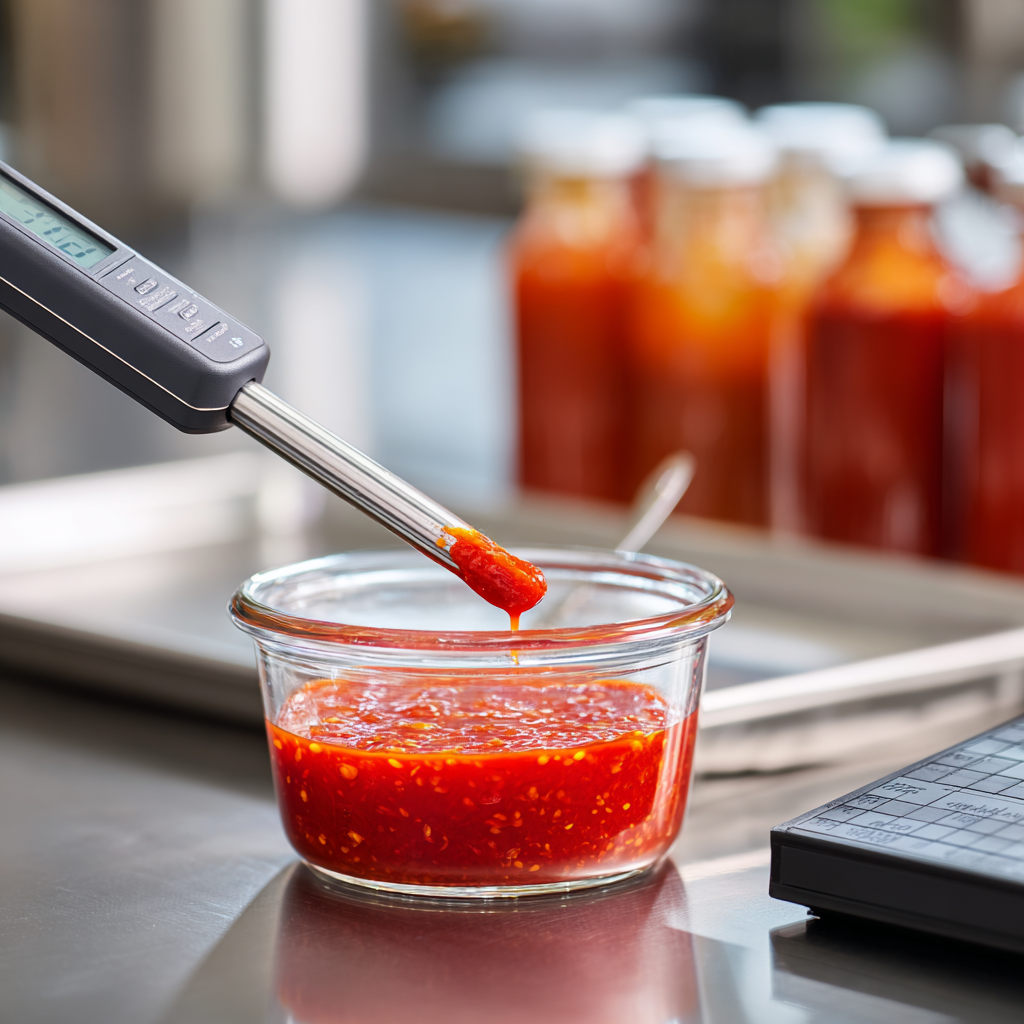
How Hot Sauce Companies Test pH
Explore the rigorous pH testing protocols used by commercial hot sauce brands. From digital meters to equilibrium pH, learn how the pros ensure every bottle is shelf-stable and safe.
Over Fermented Hot Sauce: How to Fix Flavor and Acidity
Don't toss that puckeringly sour batch just yet. Learn how to identify and rescue over-fermented hot sauce by balancing acidity, reintroducing fresh flavors, and using blending techniques to turn a flavor "fail" into a complex success.
Can Hot Sauce Go Bad Without Mold? Signs to Watch For
Visible mold isn't the only sign of a ruined batch. Learn how to identify oxidation, secondary fermentation, and chemical degradation in your hot sauce to ensure every drop you consume is both safe and flavorful.
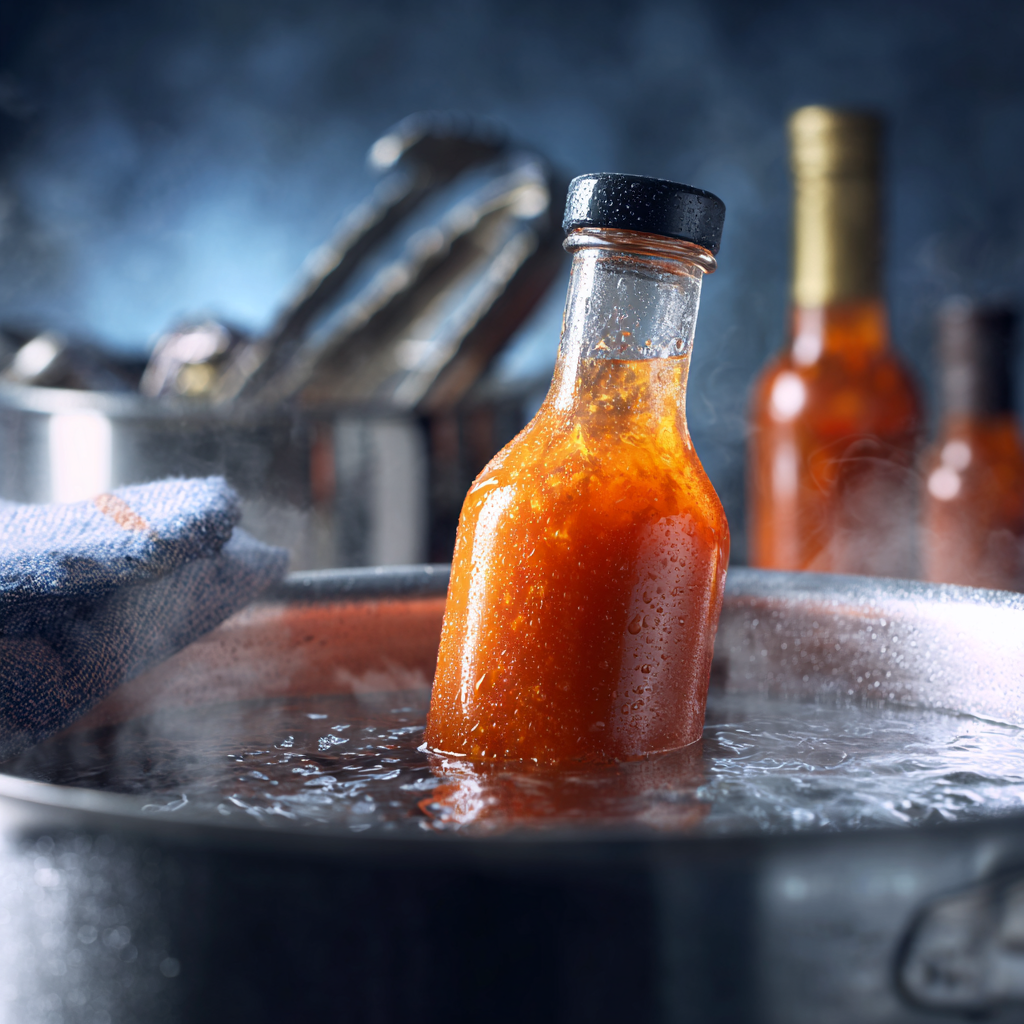
Pasteurization vs Sterilization for Hot Sauce: Safety Differences
Learn the critical differences between pasteurization and sterilization for hot sauce making. Discover how to safely preserve your sauce's flavor and color while ensuring shelf stability through proper thermal processing and pH control.
Xanthan Gum for Hot Sauce: How Much to Use and Common Mistakes
Xanthan gum is the secret to a professional hot sauce texture. Discover the precise measurements and blending techniques needed to prevent separation and achieve the perfect pour every time.
Thicken Hot Sauce Naturally Without Cooking: Easy Methods
Want a thicker hot sauce without boiling away the fresh flavor? Explore natural thickening methods using vegetable solids, fruit pectins, and cold-stable binders for a professional texture.
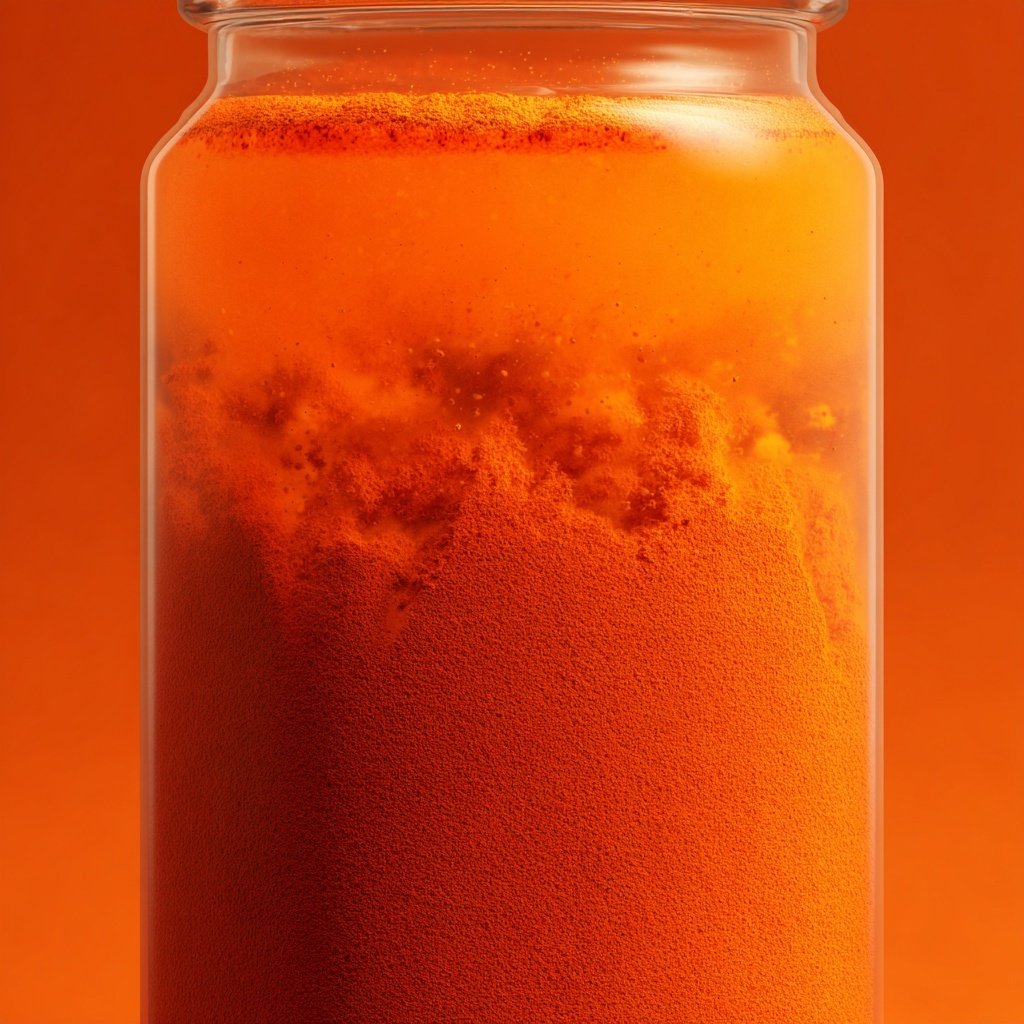
Why Hot Sauce Separates: Causes and How to Fix It
Does your hot sauce have a layer of water at the bottom or oil at the top? Discover the physics of suspension and how to fix separation for a smooth, professional finish.
Prevent Oxidation in Homemade Hot Sauce: Taste and Color Fixes
Oxidation is the enemy of fresh flavor and vibrant color. Discover the chemical causes of browning in hot sauce and the professional fixes to keep your batches looking and tasting shop-bought.
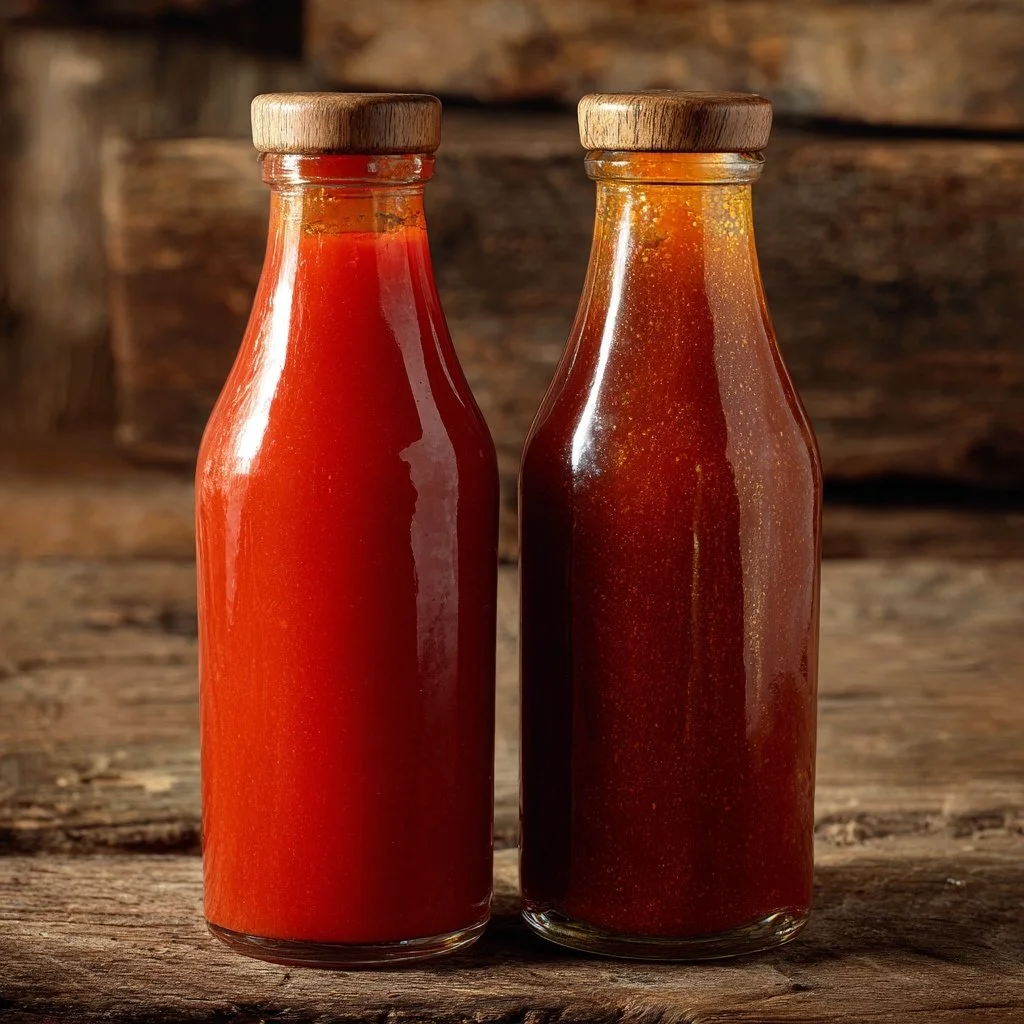
How to Keep Hot Sauce Bright Red or Green: Color Saving Tips
Visual appeal is the first bite. Learn the science of color preservation in hot sauce, from chlorophyll stabilization in green sauces to preventing oxidation in red mashes.
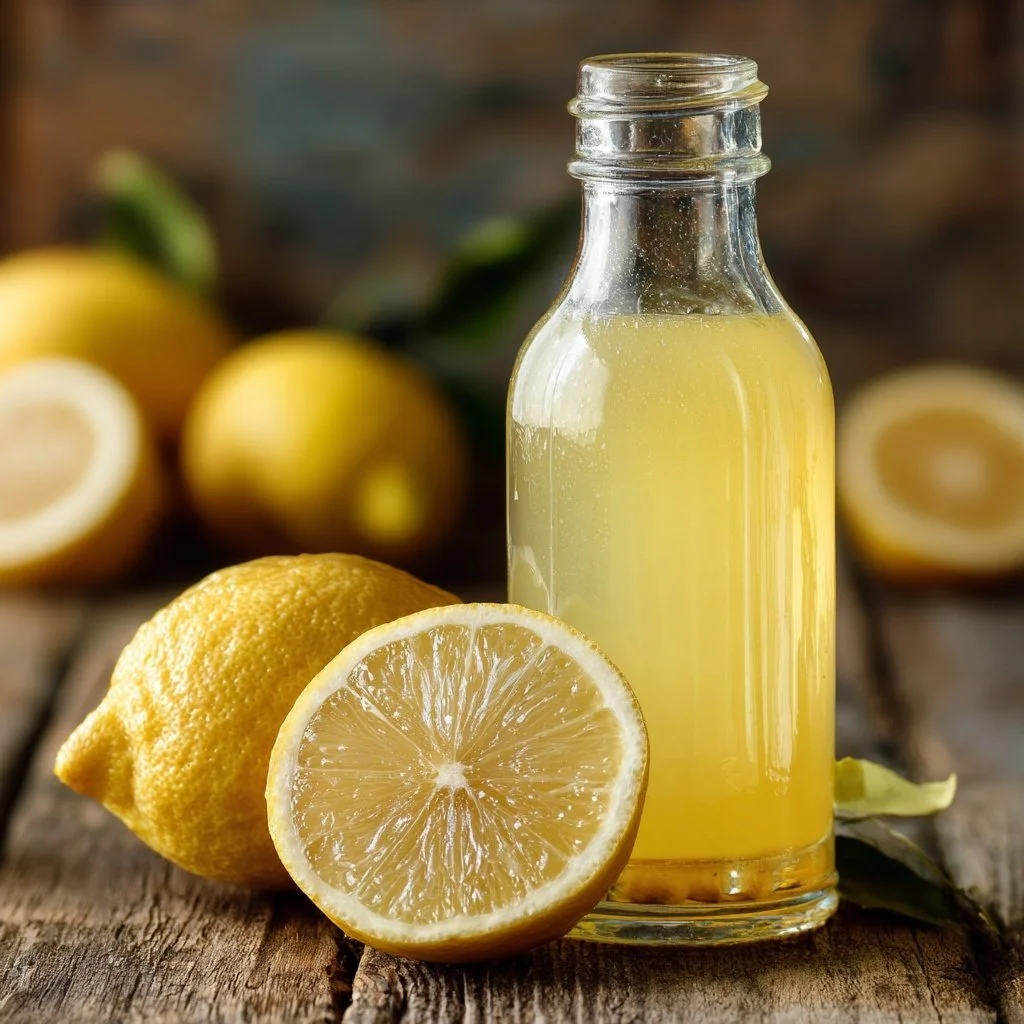
Citrus Peel vs Citrus Juice in Hot Sauce: Best Flavor Results
Should you use the peel or the juice? Explore the science of citrus in hot sauce, from the essential oils in the zest to the citric acid in the juice, and how to use both for maximum flavor.
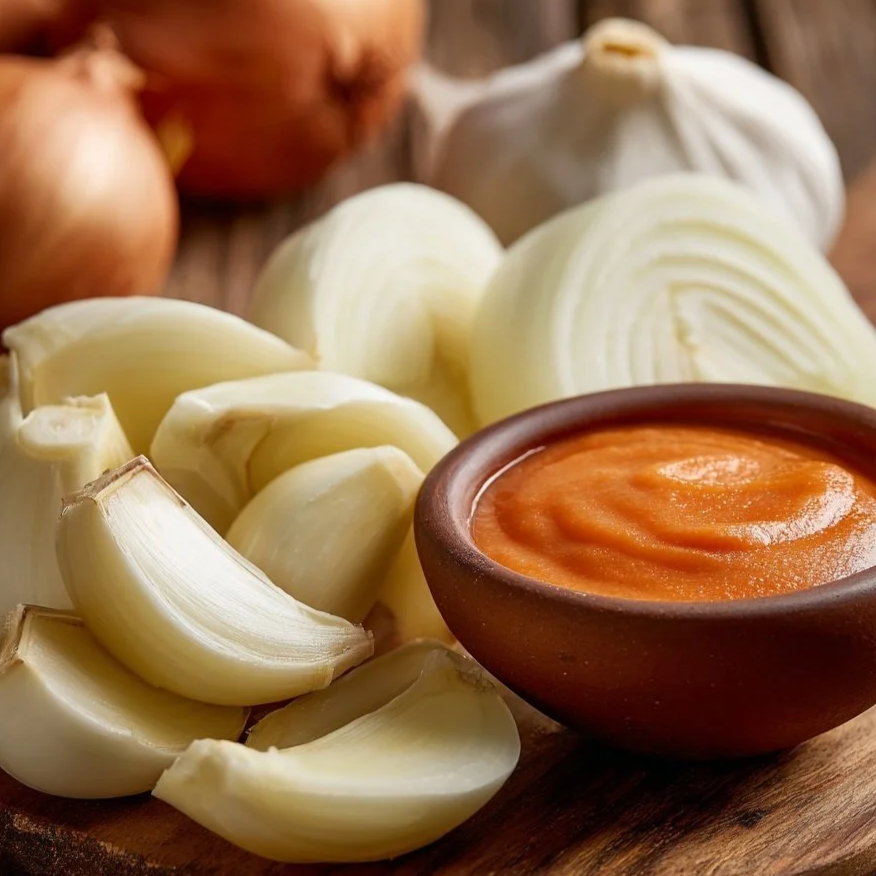
Garlic and Onion in Hot Sauce: What They Add and When to Use Them
Garlic and onion are the backbone of great hot sauce. Explore how these aromatics provide savory depth, balance heat, and when to add them for the best flavor and safety.
Delayed Spice Burn: Why Heat Hits After the First Bite
Ever wonder why some hot sauces take a few seconds to kick in? Explore the biological and chemical reasons for the delayed spice burn and how pepper varieties differ.
Why Hot Sauce Feels Hotter the More You Eat
Why does the first bite feel mild while the fifth feels like fire? Explore the biological reasons behind the compounding heat of capsaicin and how your pain receptors respond to repeated spicy stimuli.
Wilbur Scoville and the Real Story Behind the Heat Scale
Before it was a culinary standard, the Scoville scale was a pharmacy test. Discover the story of Wilbur Scoville and how he changed how we measure spicy heat with his organoleptic method.
The Most Expensive Peppers in the World and Why They Cost More
Why do some peppers cost thousands of dollars? From the jungles of Peru to the fields of France, explore the world's most expensive capsicums and the labor-intensive reasons behind their premium price tags.