
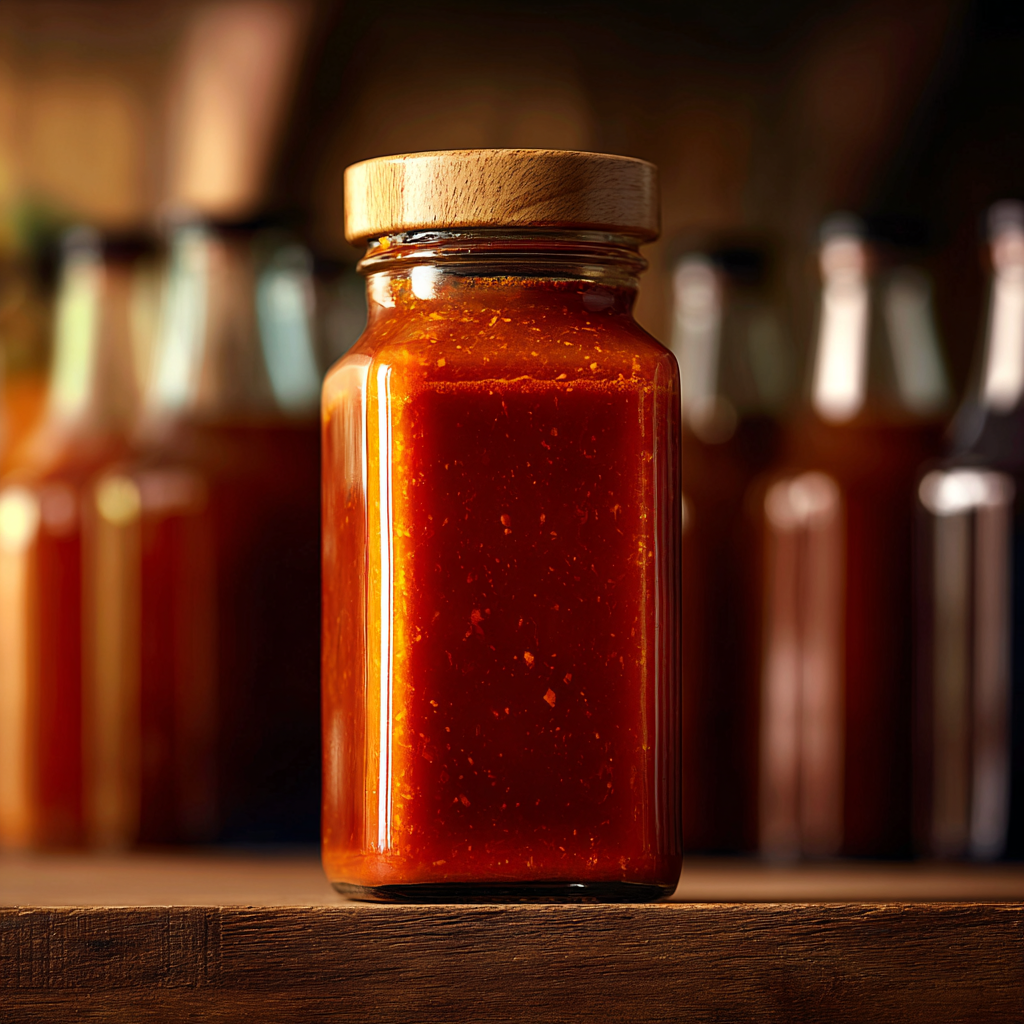
How Long to Rest Before Bottling
Patience is the secret ingredient in professional sauce making. Learn the science of flavor marriage and why a 24 to 72-hour resting period is essential for reducing vinegar sharpness and ensuring your hot sauce is perfectly balanced before bottling.
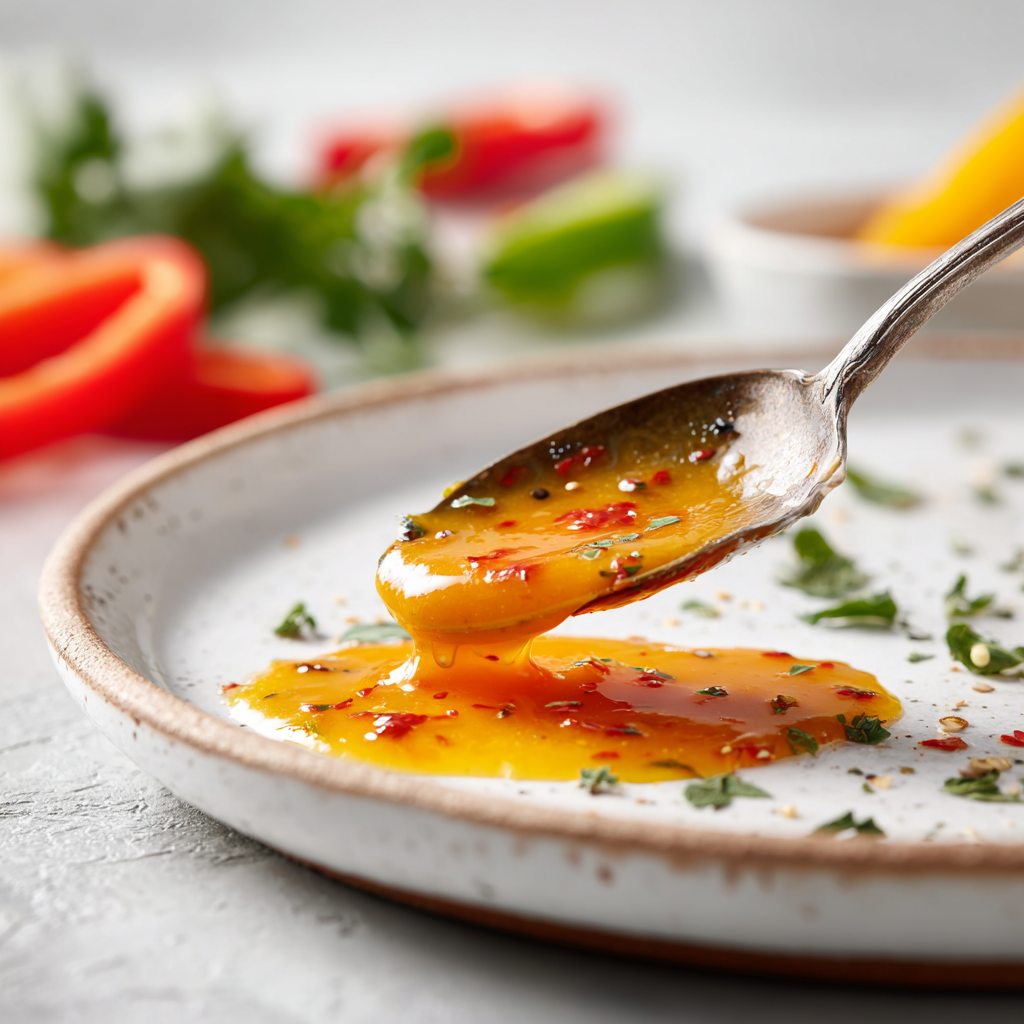
Why Fresh Pepper Sauce Tastes Brighter
Discover the science behind that elusive "zing" in fresh hot sauce. Learn how volatile esters, cellular integrity, and minimal heat-processing work together to create a profile that is uniquely zesty and fresh compared to aged or boiled varieties.
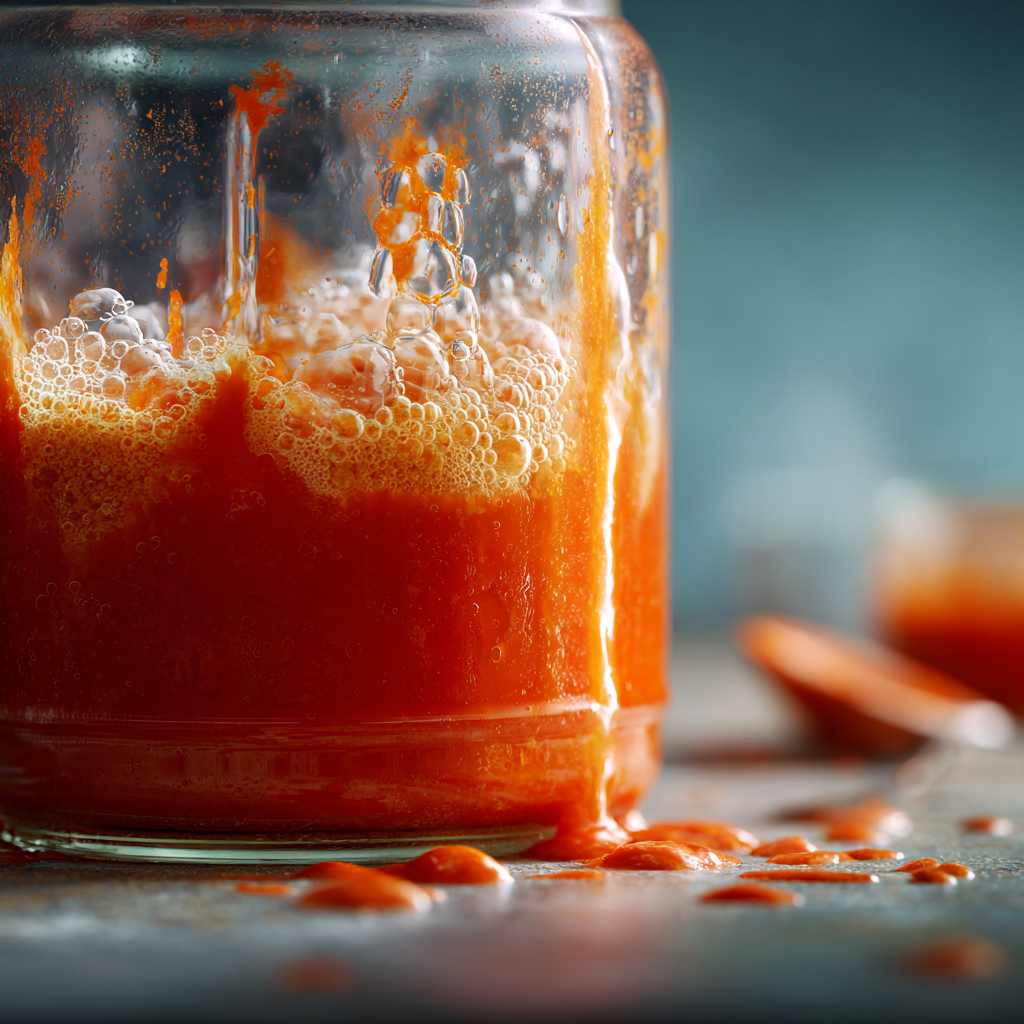
Can You Overblend Hot Sauce
Can you actually process your sauce too much? Explore the science of overblending, from the release of bitter seed tannins to the creation of unappealing foamy textures, and learn the professional techniques for perfect sauce consistency.
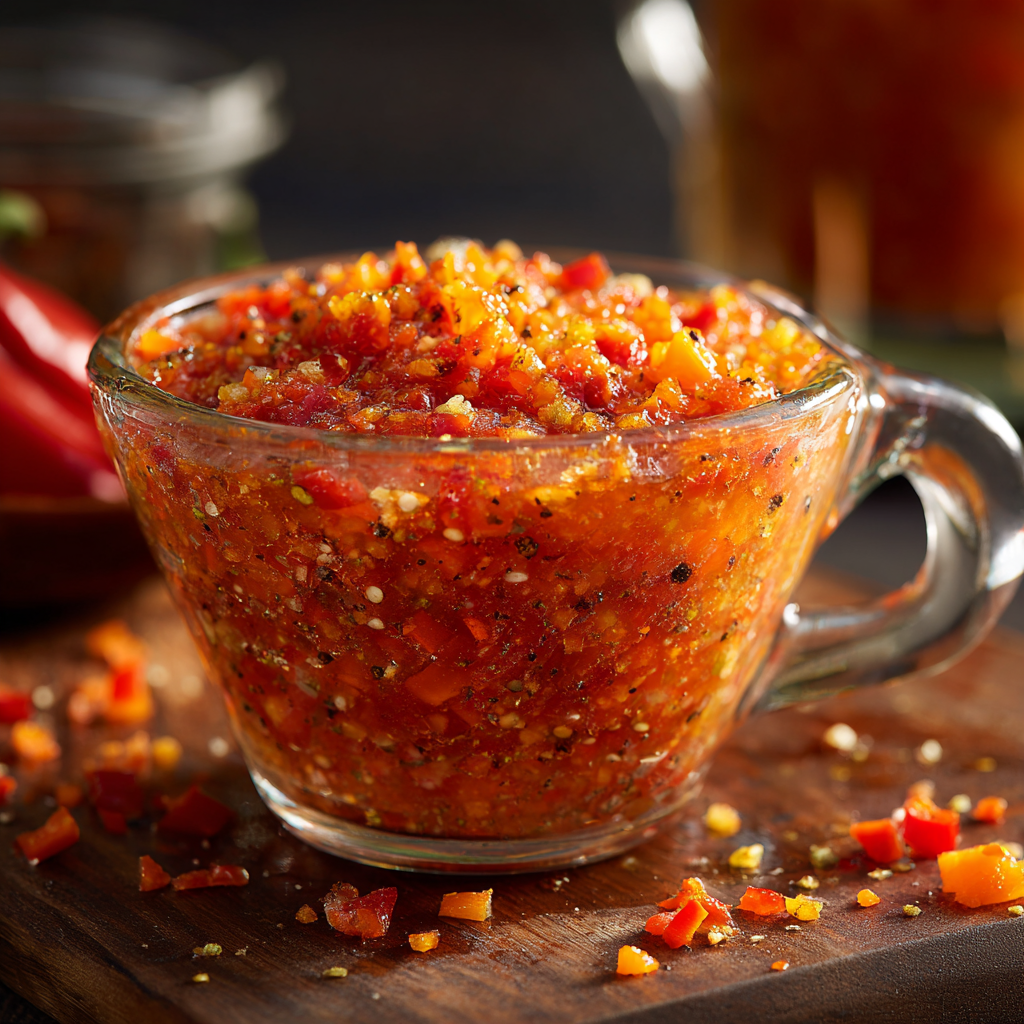
Why Homemade Sauce Varies
Tired of every batch of hot sauce tasting different? Learn the science behind agricultural variability and how to use precision weighing, pH monitoring, and temperature control to achieve professional-grade consistency in your homemade sauces.
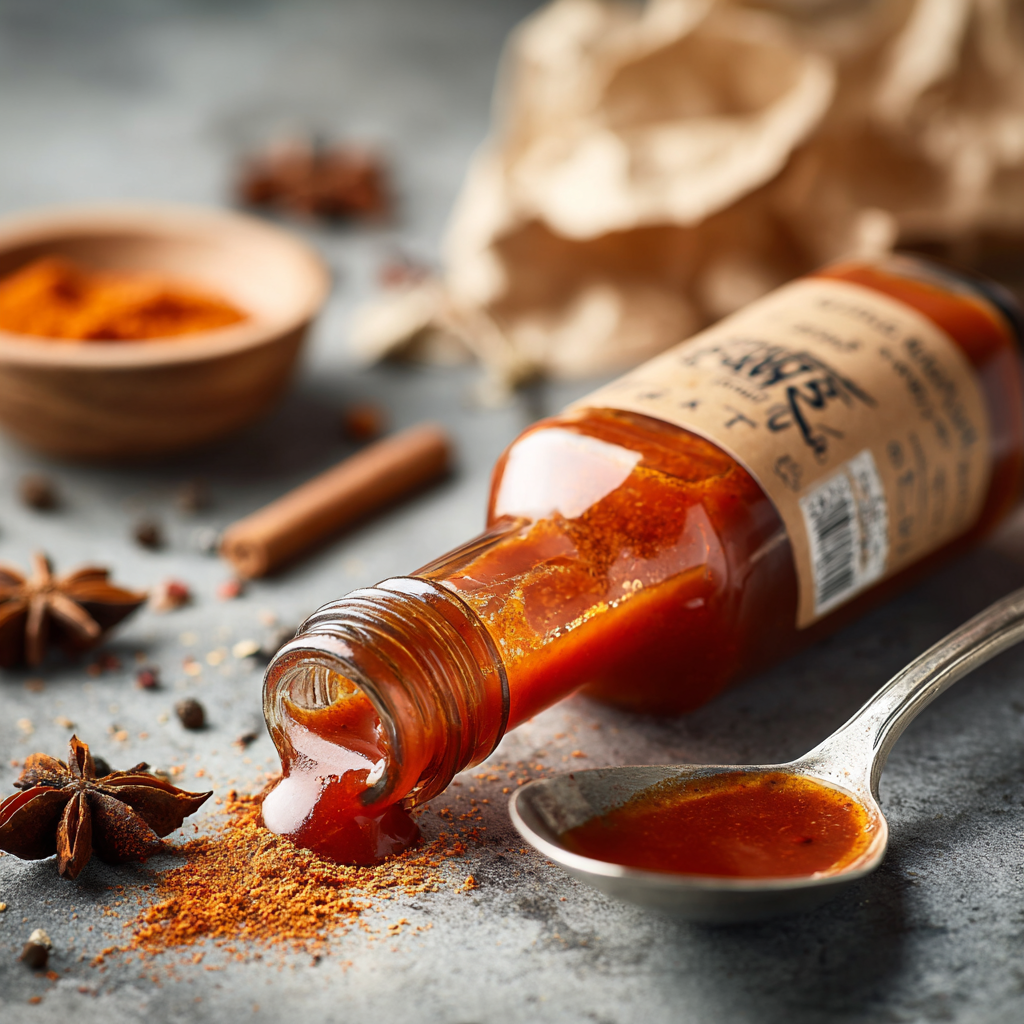
Why Hot Sauce Changes Flavor
Learn the science of why hot sauce changes flavor over time. From the mellowing of vinegar to the effects of oxidation and light exposure, discover how to store your sauce to keep it tasting zesty and fresh.
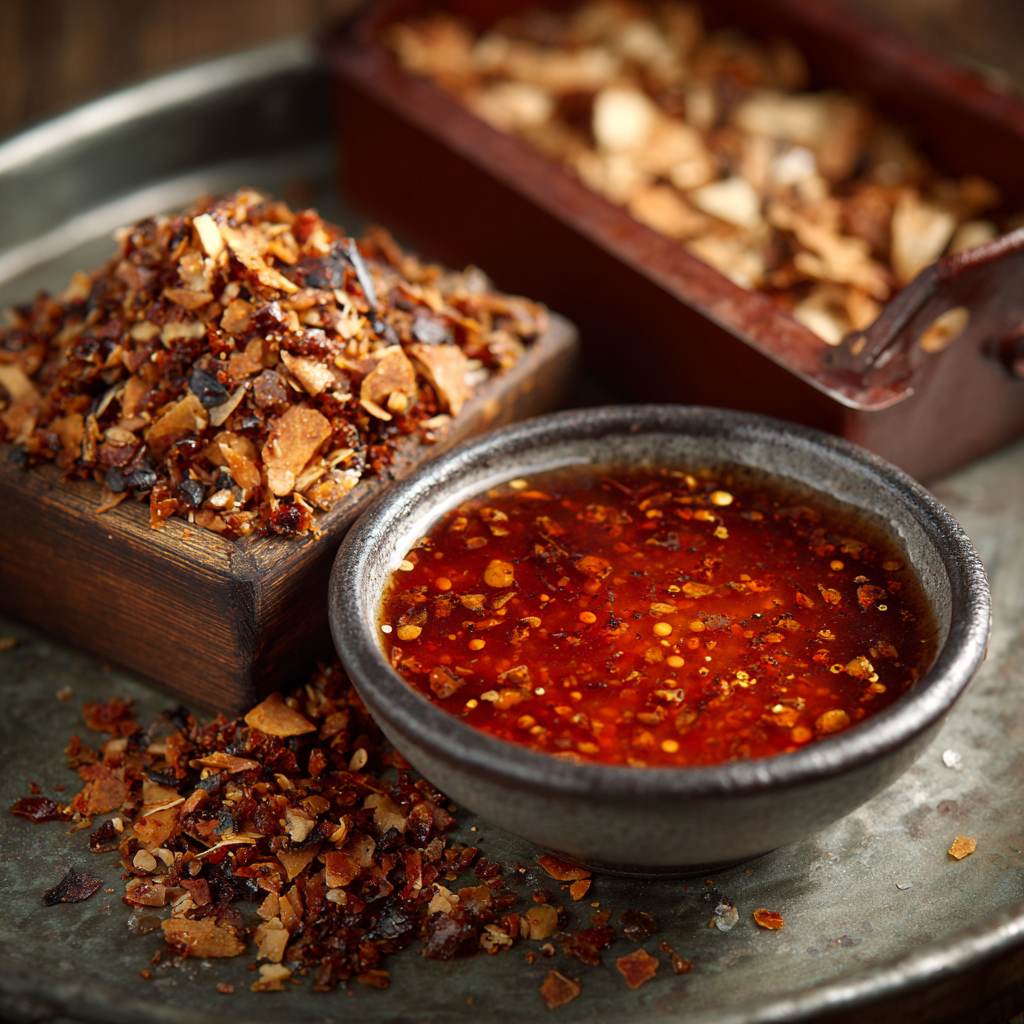
Smoke Flavor Without Liquid Smoke
Learn how to achieve professional smoke flavor without liquid smoke using whole-food techniques. From charring aromatics to using fire-dried spices like black cardamom, discover the secrets to crafting an authentic wood-fired hot sauce profile.
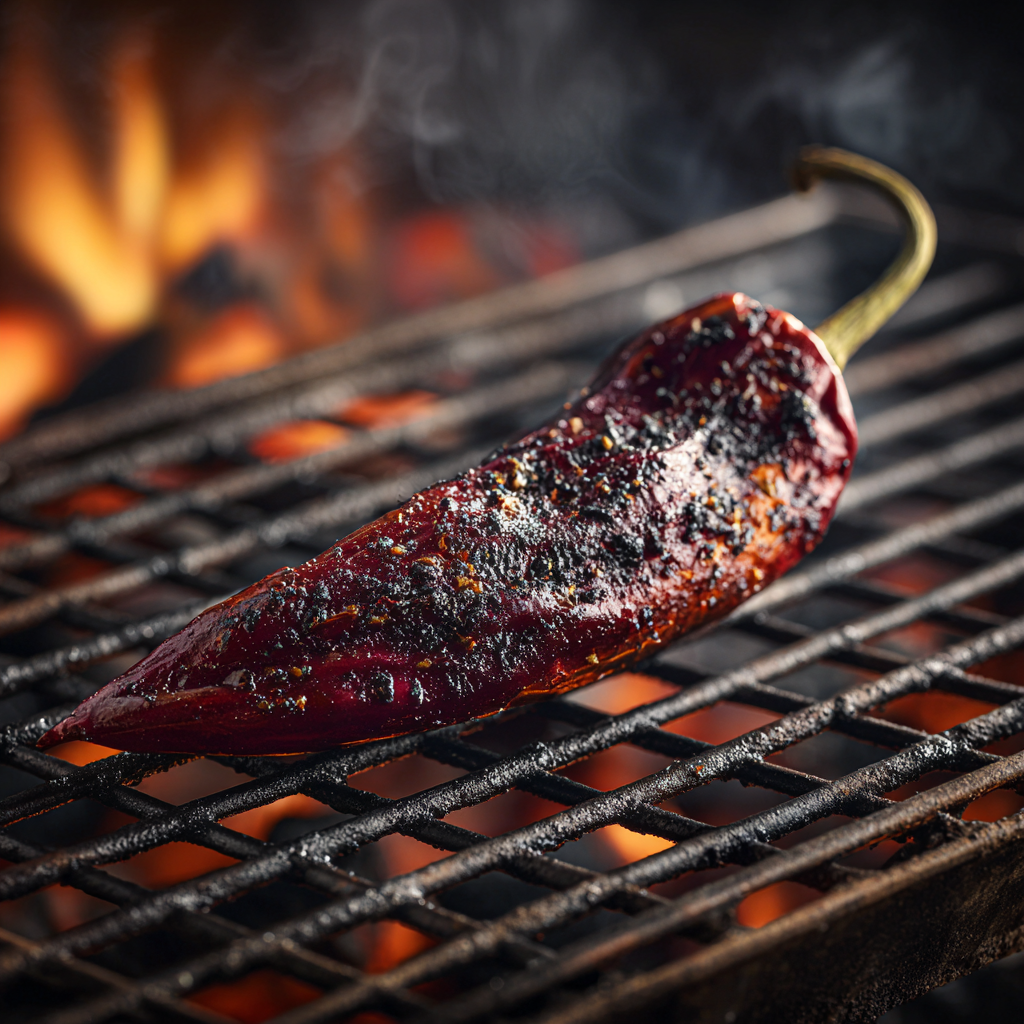
Why Some Peppers Taste Smoky
Explore the fascinating chemistry of natural smokiness in peppers. Learn how alkylpyrazines and terroir create deep, earthy flavors without the need for wood fire, and how to harness these notes for professional-grade hot sauce.
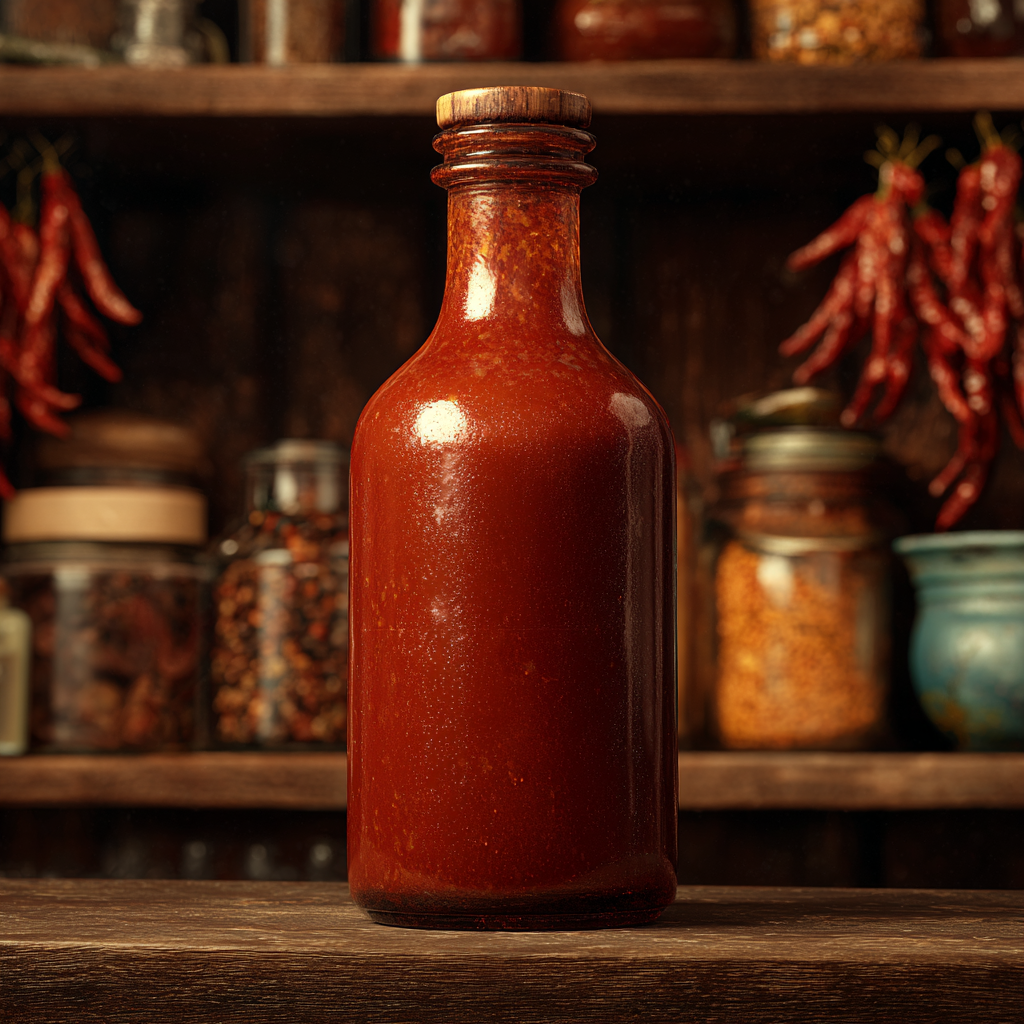
Why Red Sauce Darkens
Discover why your vibrant red hot sauce turns dark over time. This guide explores the science of carotenoid oxidation and provides professional tips on using antioxidants, temperature control, and proper bottling to keep your sauces looking fresh.
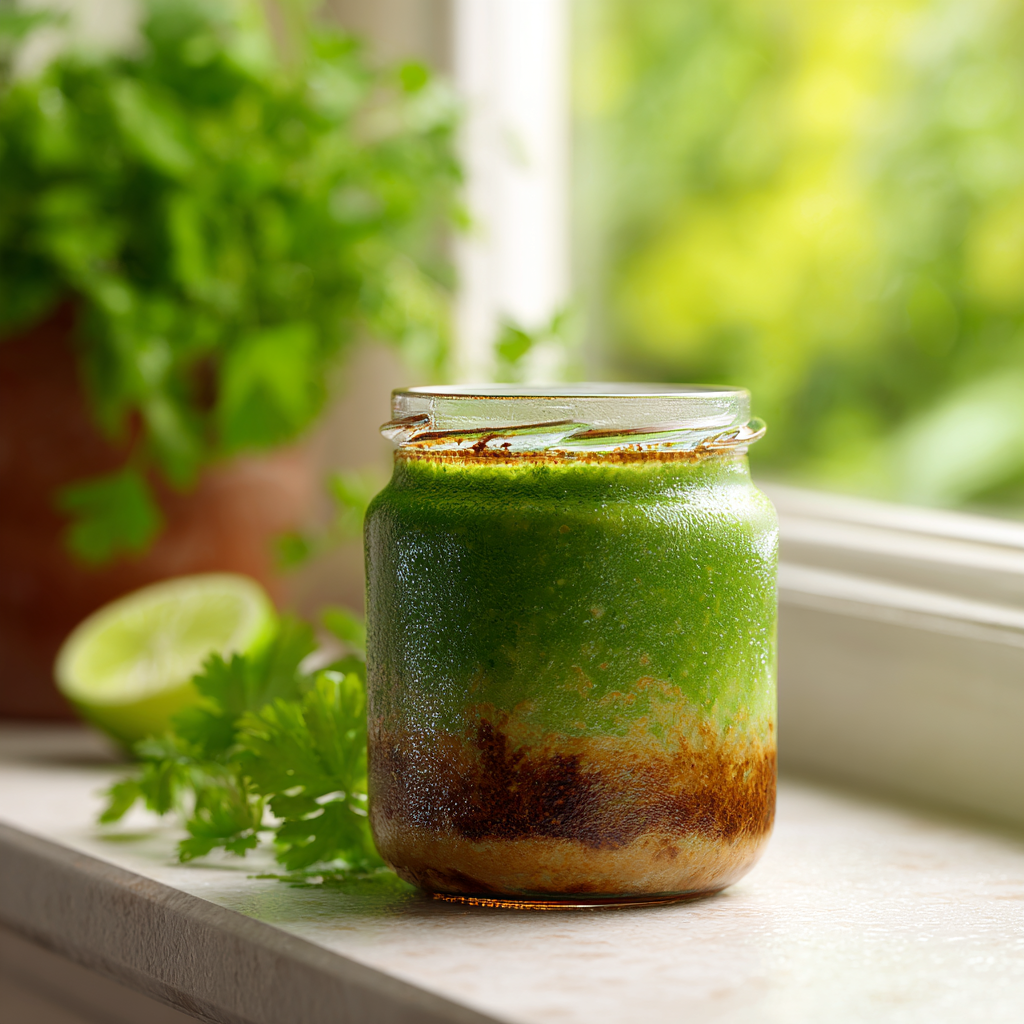
Why Green Sauce Turns Brown
Tired of your vibrant green sauce turning a dull olive brown? Explore the science of chlorophyll oxidation and learn professional blanching and pH management tips to keep your Verde sauces looking zesty and fresh.
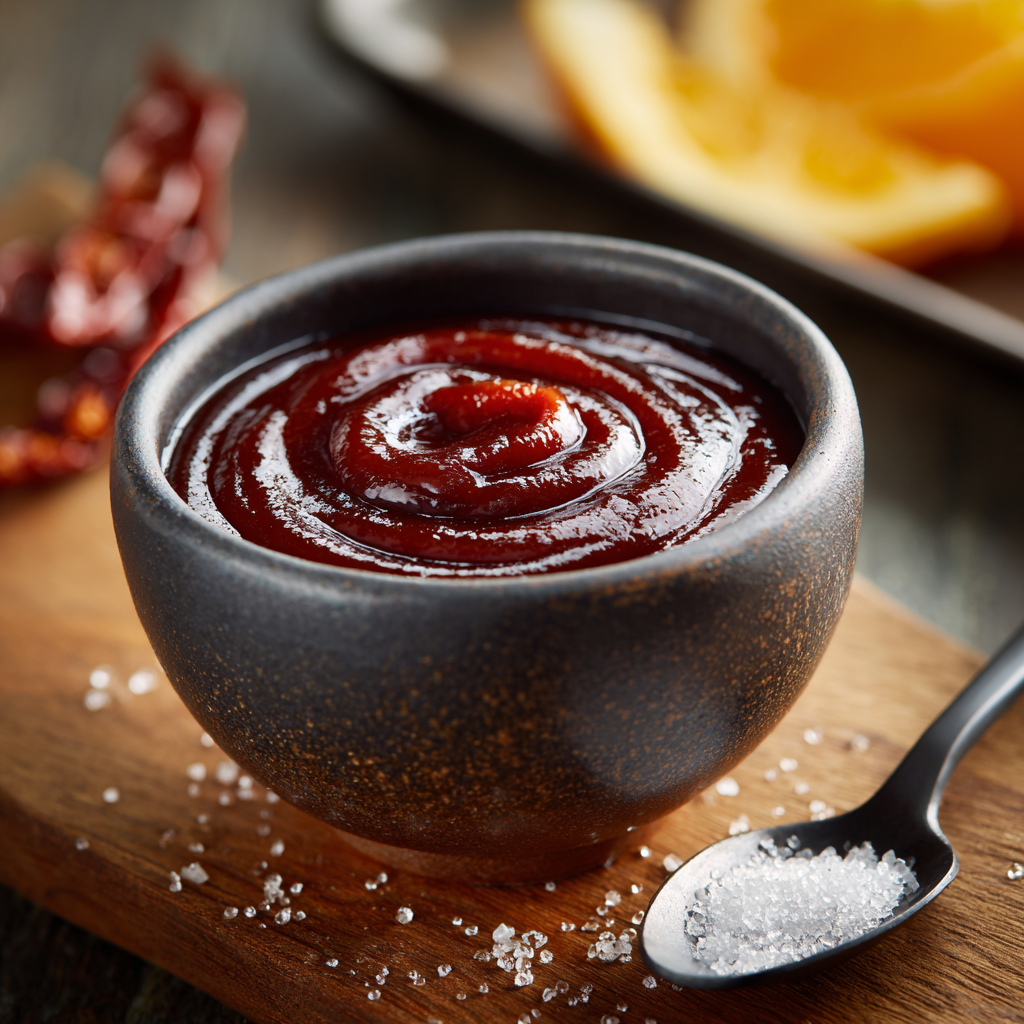
Bitter Hot Sauce Fixes
Learn how to rescue a batch of bitter hot sauce using professional balancing techniques. From neutralizing chlorophyll to using salt and sugar as flavor blockers, this guide covers the science of bitter hot sauce fixes.
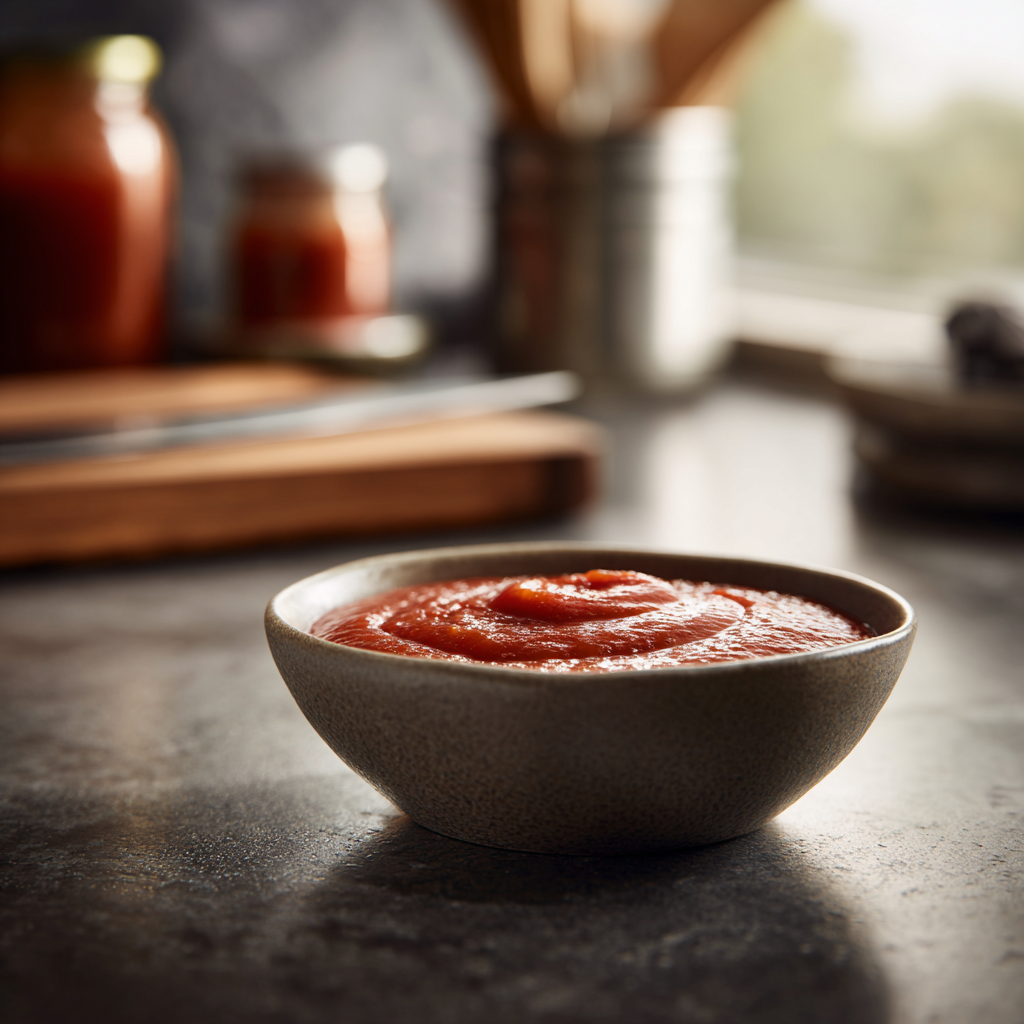
Why Your Hot Sauce Tastes Flat
Is your hot sauce all heat and no soul? Learn the science of flavor balancing, from salt ratios to umami boosters, to fix a flat-tasting sauce and create a professional-grade condiment with depth and complexity.
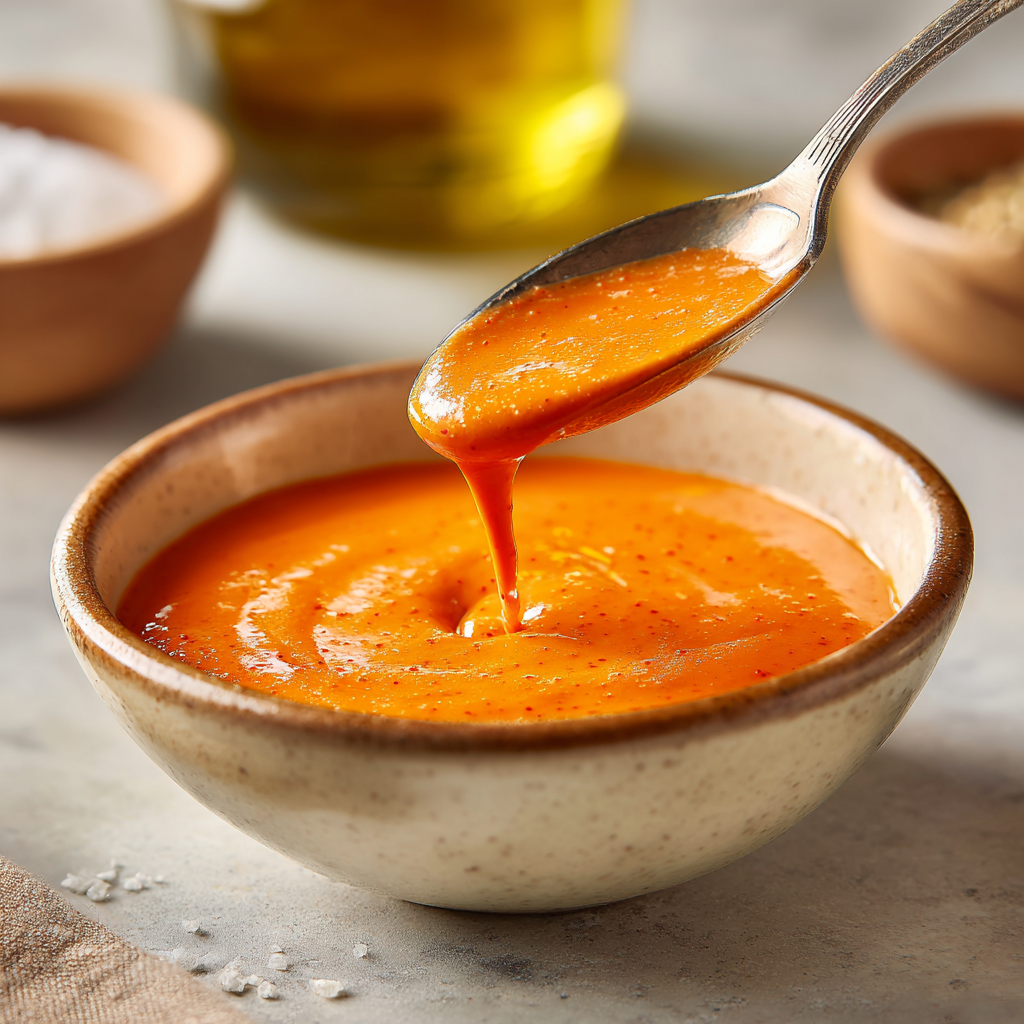
Why Some Sauces Burn More Than Scoville
Ever wonder why a medium-rated sauce feels like liquid fire? Discover the science of perceived heat, including how acidity, particle size, and capsaicinoid ratios make some sauces burn more than Scoville ratings suggest.
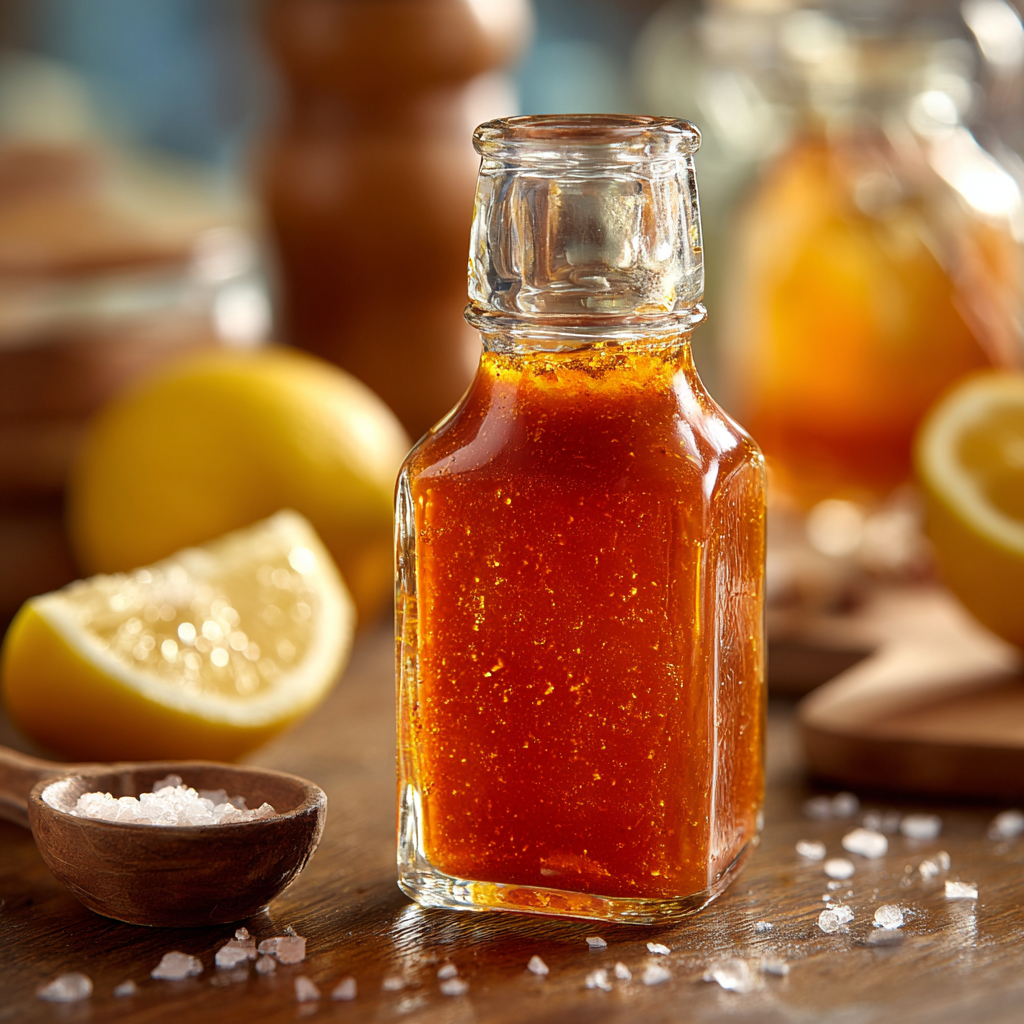
Why Homemade Hot Sauce Tastes Sharper
Discover the science behind why homemade hot sauce tastes sharper and more aggressive than commercial varieties. Learn how to use aging, simmering, and pH buffering to create a smoother, more balanced hot sauce in your own kitchen.
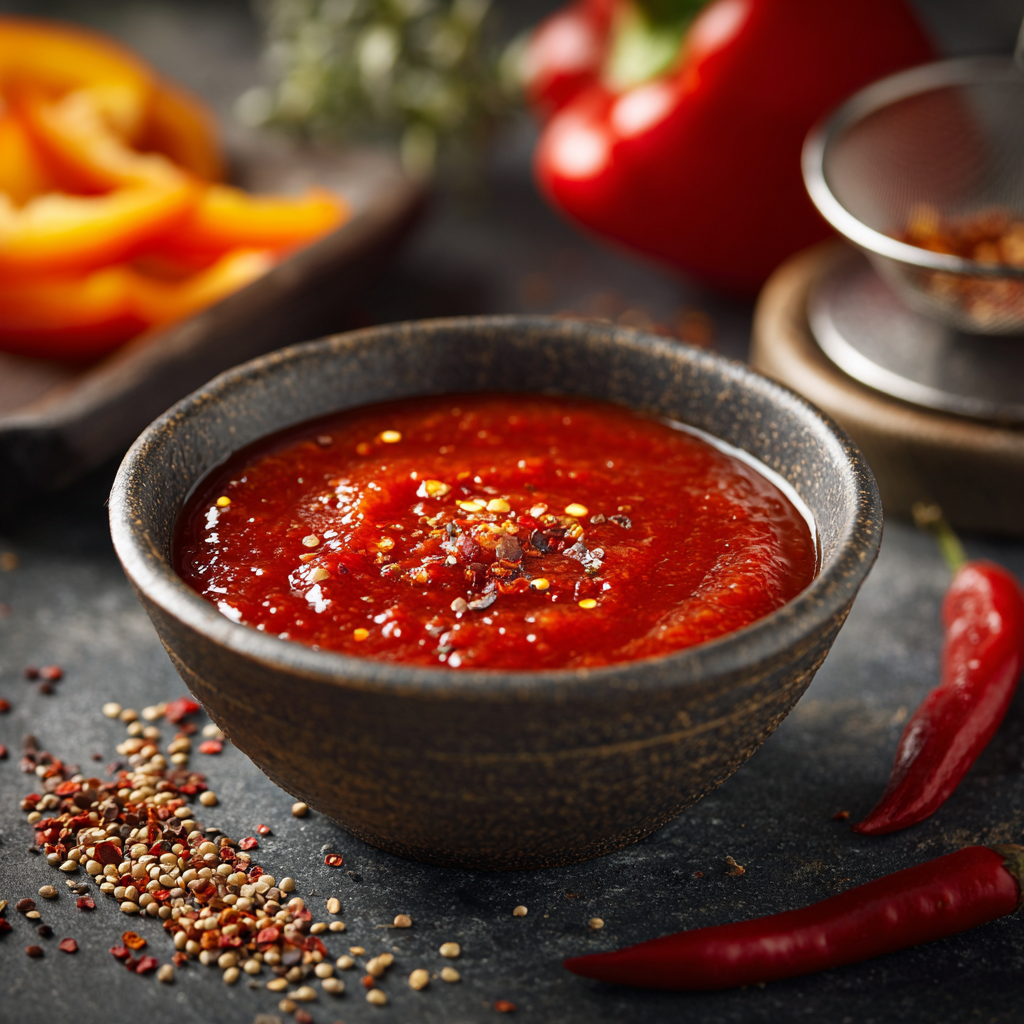
Remove Pepper Heat Without Killing Flavor
Is your hot sauce too vinegary or aggressive? Learn why homemade hot sauce tastes sharper than commercial brands and discover professional mellowing techniques, from pH buffering to the science of aging and aromatic roasting.
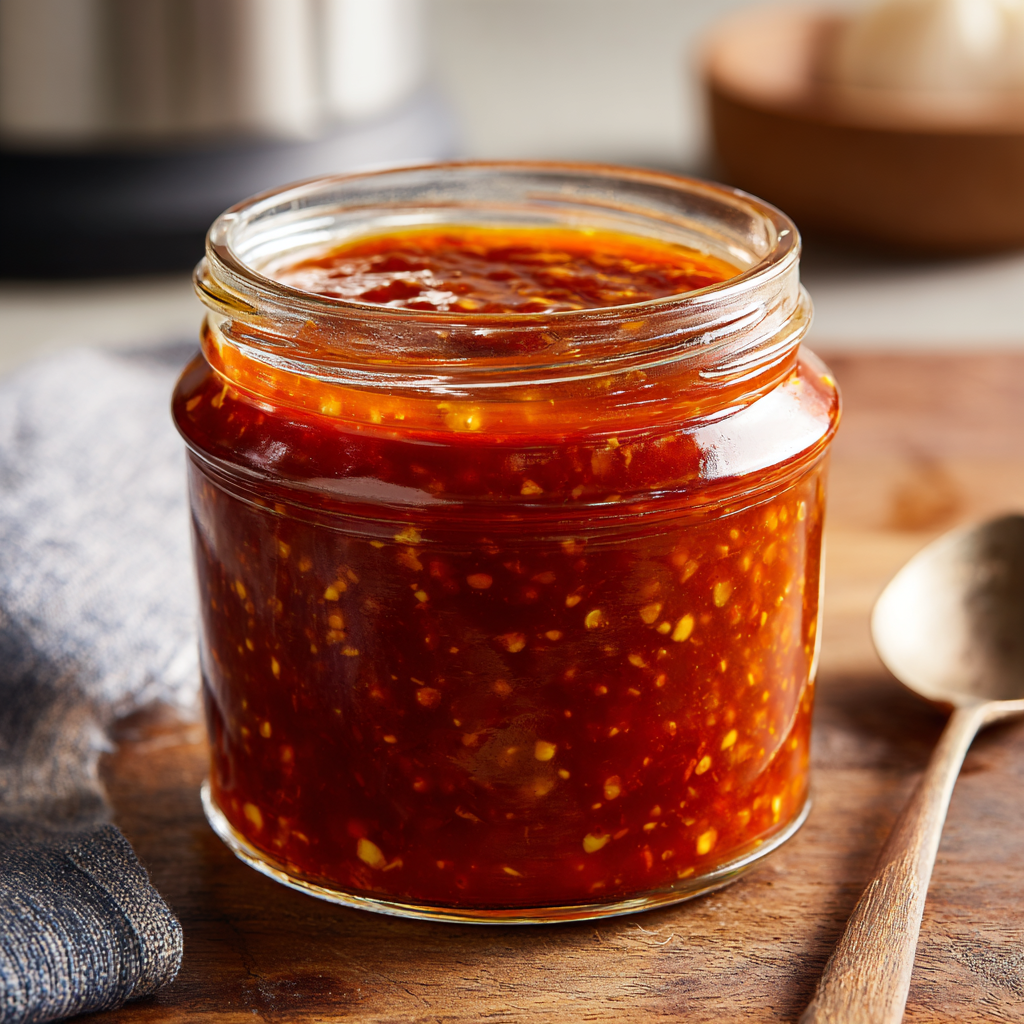
Smooth vs Chunky Hot Sauce
Should your next batch be silky or rustic? Discover the pros and cons of smooth vs chunky hot sauce, how texture changes heat perception, and the essential tools you need to achieve the perfect professional pour.
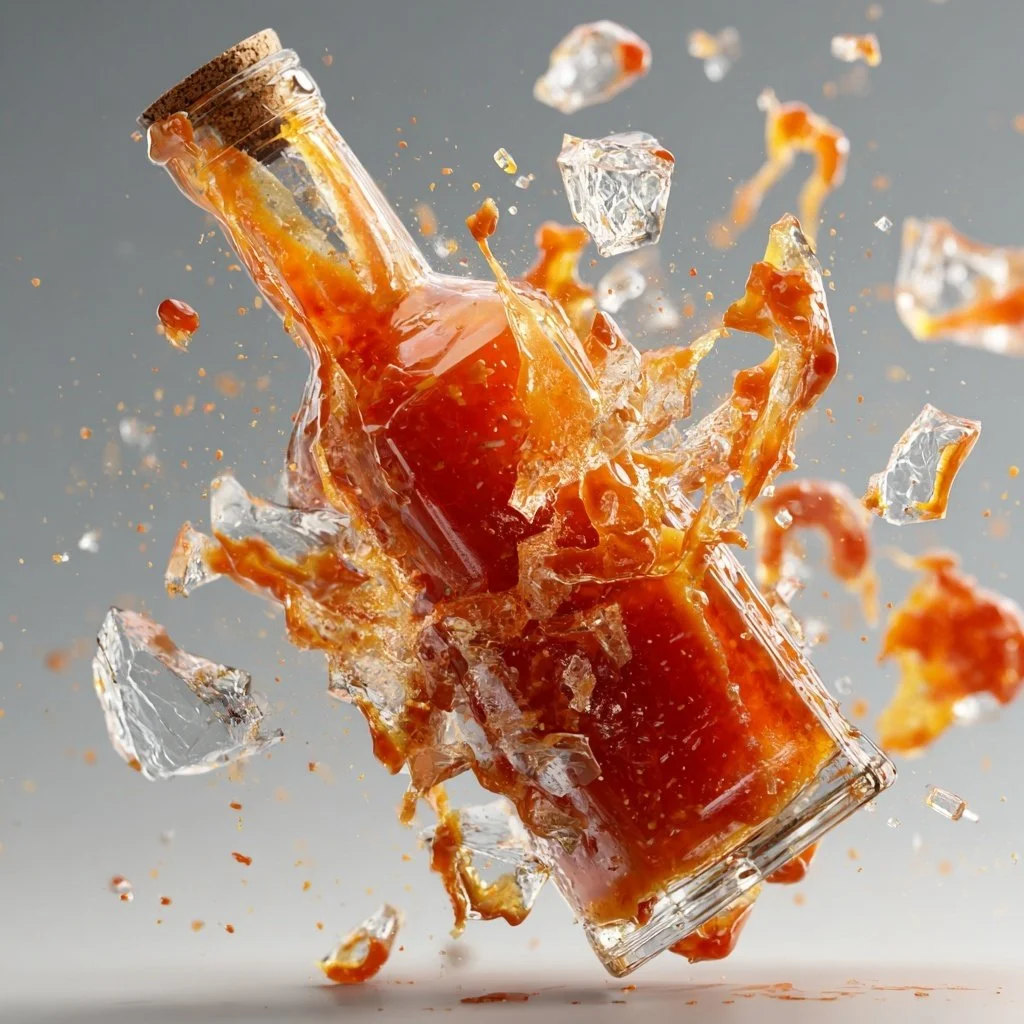
Exploding Bottles from Fermentation: Prevention and Risks
A fizzy sauce is a warning; an exploding bottle is a disaster. Learn the science of secondary fermentation, how to identify "bottle bombs" before they fail, and the critical steps for stabilizing your hot sauce for long-term storage.
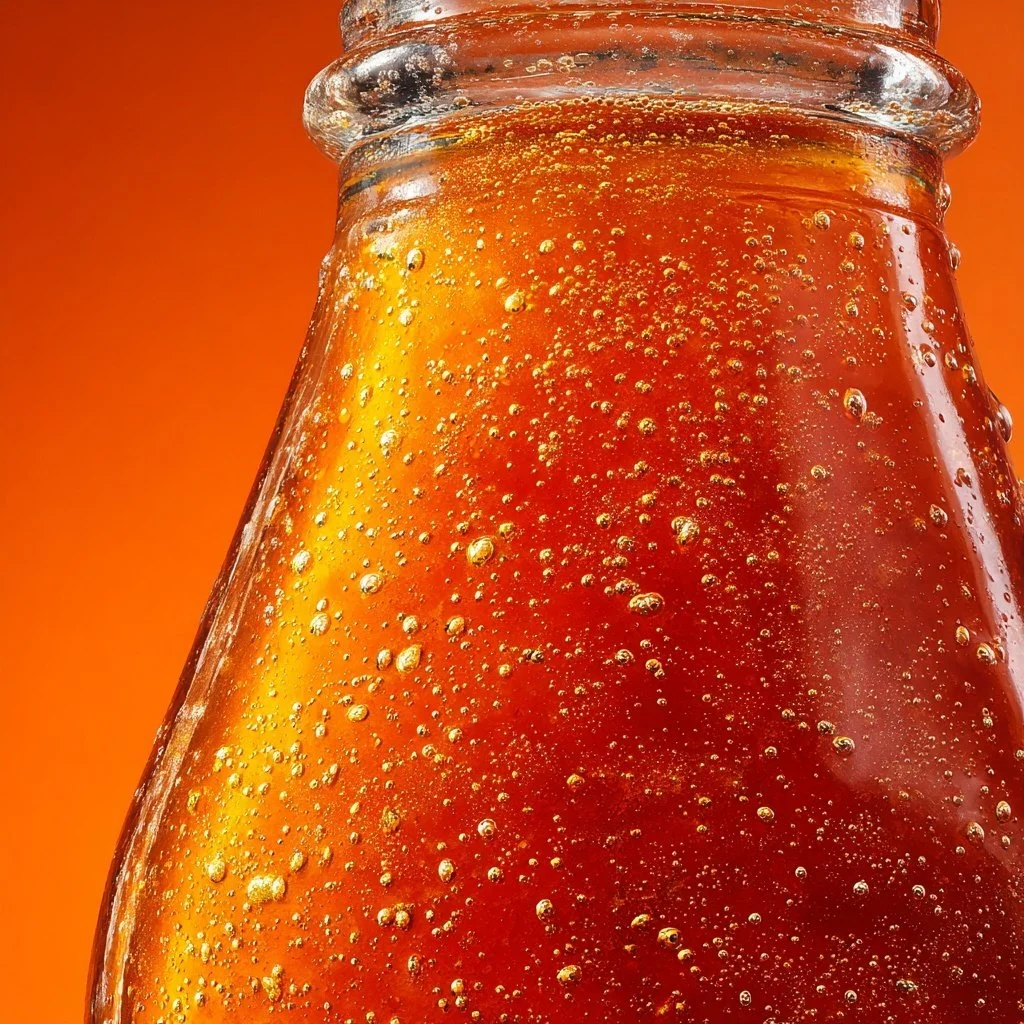
Fizzy Hot Sauce After Bottling: Causes and Safety
A fizzy sauce is a living sauce. Learn what causes unintended carbonation after bottling, how to stabilize your ferments, and the safety steps required to prevent your spicy creations from turning into "bottle bombs."
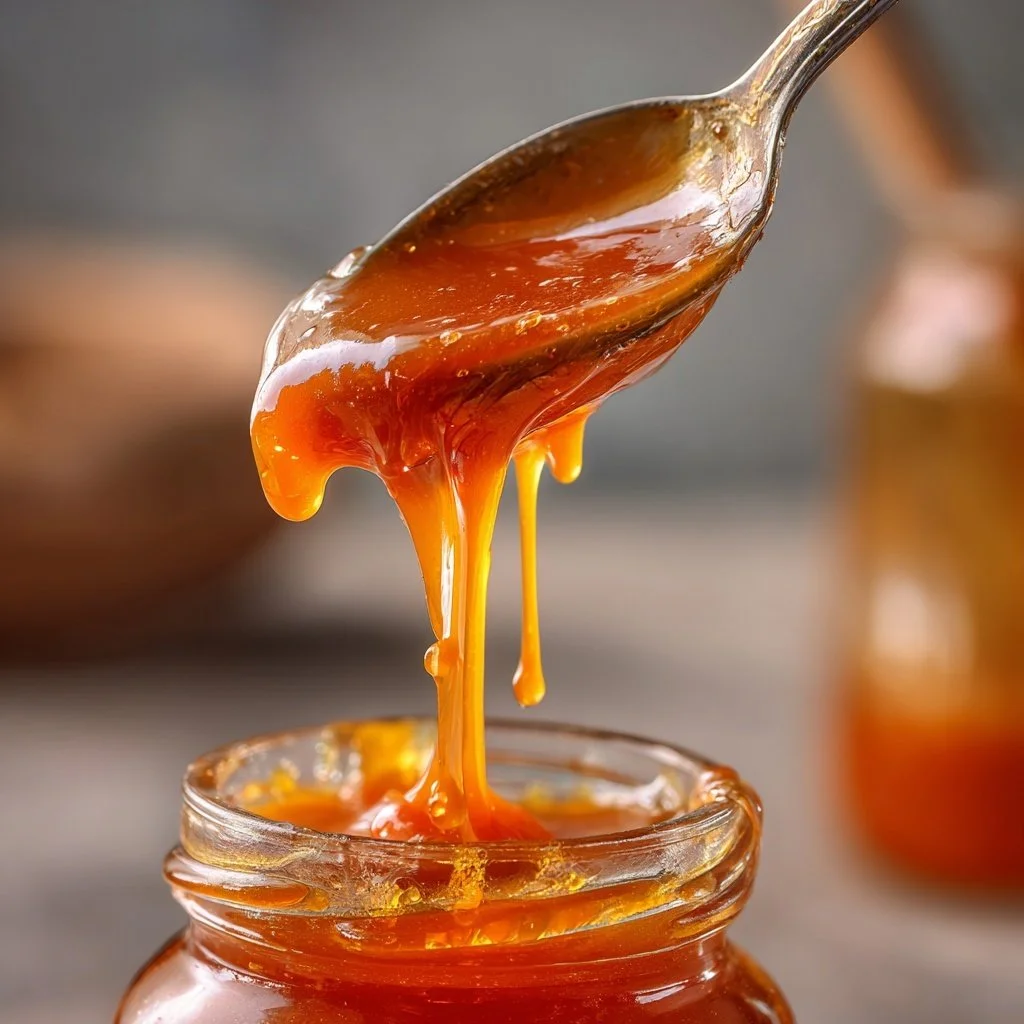
Slimy Fermentation: Causes and Fixes
Don't let a "ropey" brine ruin your batch. Learn what causes slimy fermentation, why it's usually harmless, and the professional tricks for preventing it or fixing the texture of your homemade hot sauce.
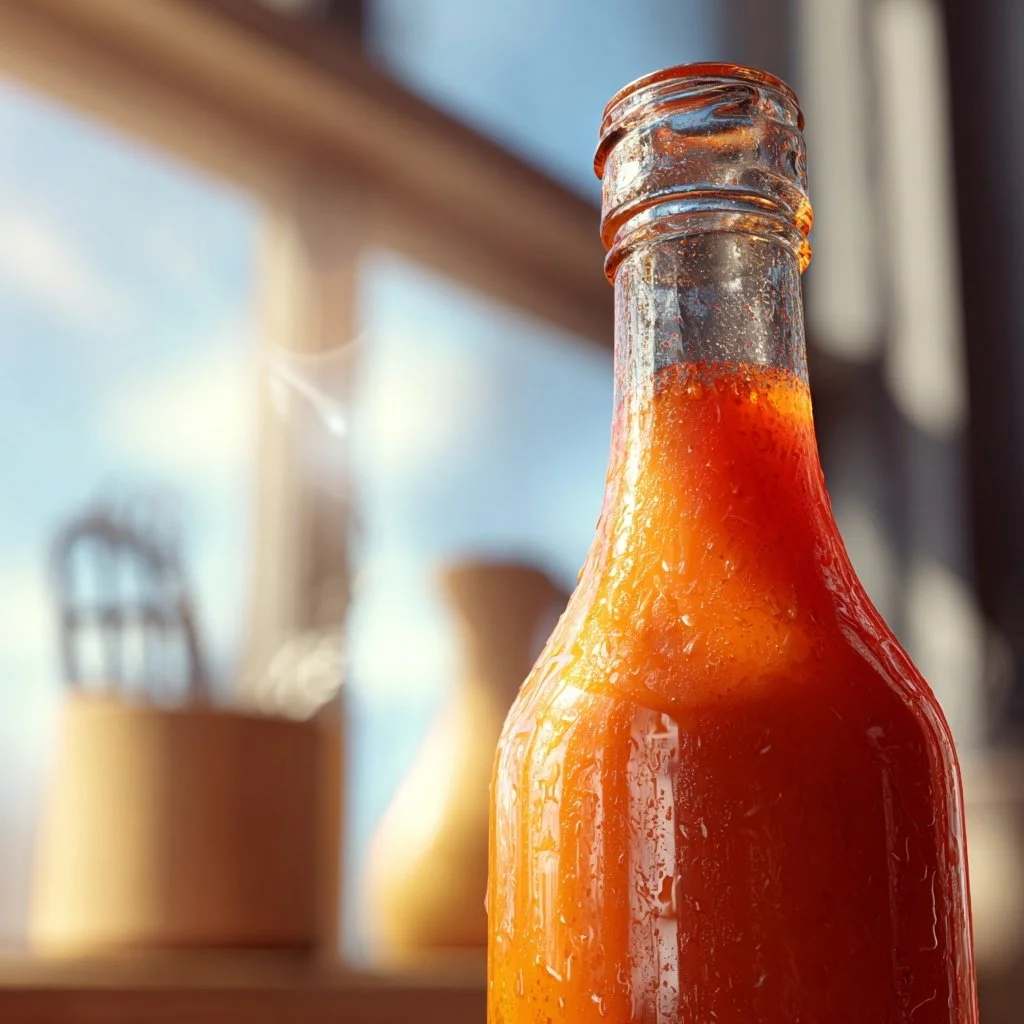
Does Heat Ruin Hot Sauce
Heat is a double-edged sword in sauce making. Learn how excessive thermal exposure ruins flavor, destroys color, and affects the shelf life of your favorite condiments, along with professional tips for proper storage and processing.
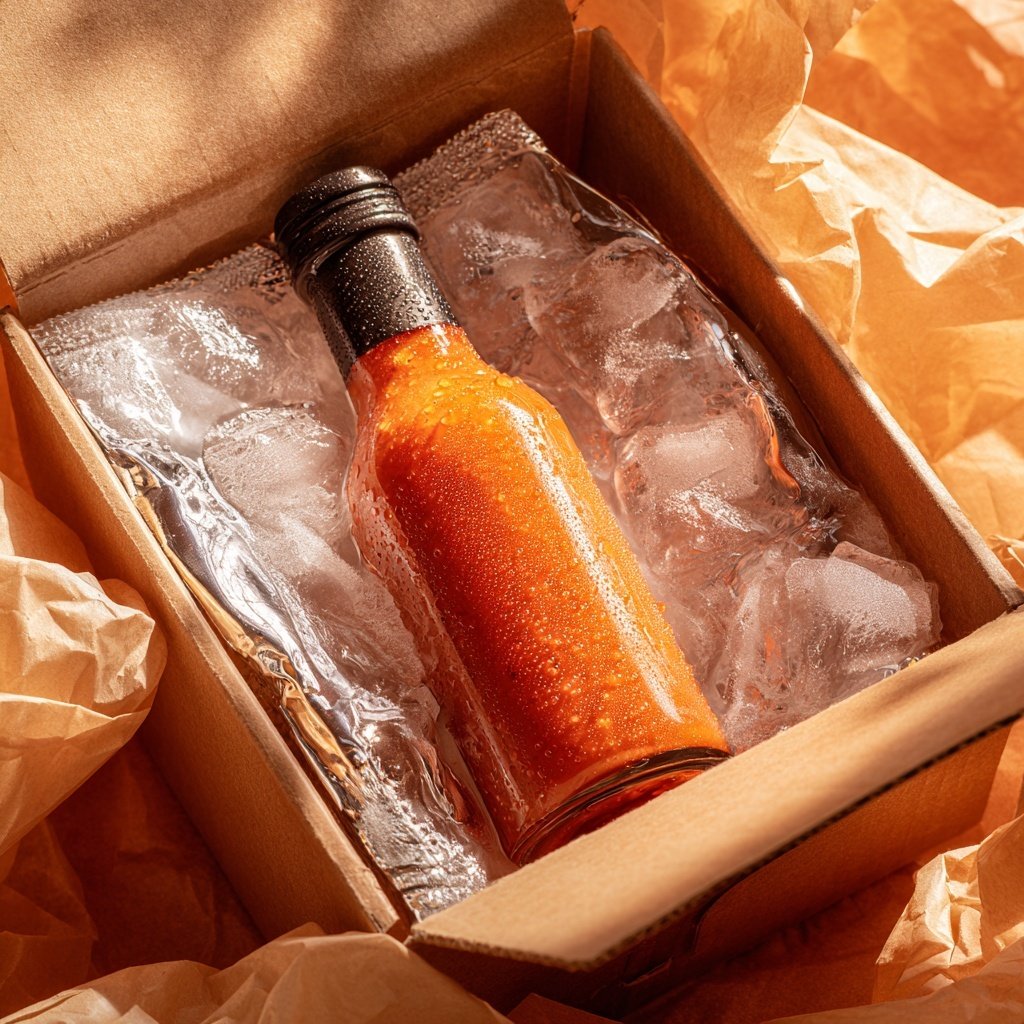
Shipping Hot Sauce in Summer: Temperature and Safety Tips
Shipping hot sauce in the summer heat requires careful planning. Learn how to prevent bottle explosions, manage thermal degradation, and choose the right insulation and shipping schedules to ensure your spicy creations arrive safe and delicious.